Gardening with Georgia Native Plants
GEORGIA'S NATIVE PLANTS:
BEAUTIFUL, SUSTAINABLE AND REQUIRE LESS EFFORT
When it comes to spring gardening in Georgia, choosing native plants isn’t just good for the environment—it’s a smart, sustainable way to create a beautiful landscape that thrives with less effort. Native plants are naturally adapted to Georgia’s unique soil, climate, and weather patterns, which means they’re more drought-tolerant, disease-resistant, and beneficial for pollinators and local wildlife.
Whether you’re new to gardening or planning a full landscape refresh, planting native species can help you:
Conserve water
Minimize pesticide and fertilizer use
Support Georgia’s native birds, bees, and butterflies
Reduce garden maintenance
Create a sense of place with authentic Southern flora
BEST TOP-PERFORMING NATIVE GEORGIA PLANTS
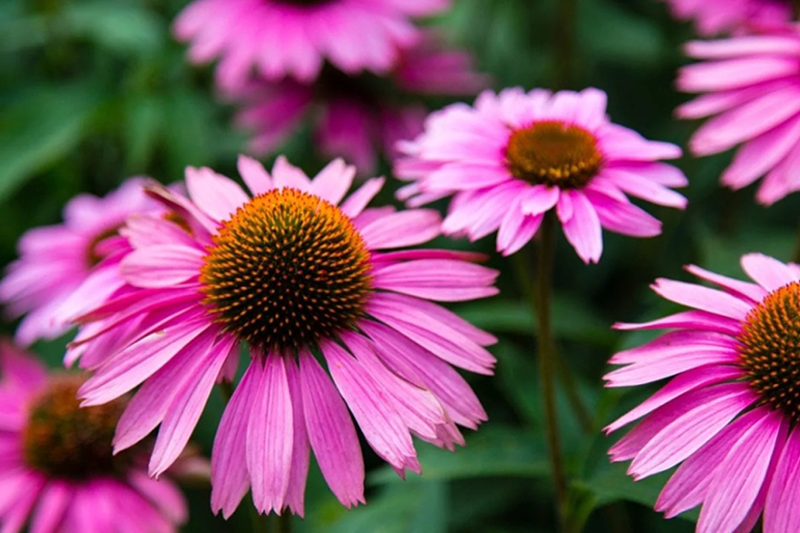
PURPLE CONEFLOWER
(Echinacea purpurea)
A beloved wildflower with tall, purple-pink petals and a golden cone center, purple coneflower is perfect for pollinator gardens in Georgia. It’s drought-tolerant, deer-resistant, and attracts butterflies and bees from spring through fall.
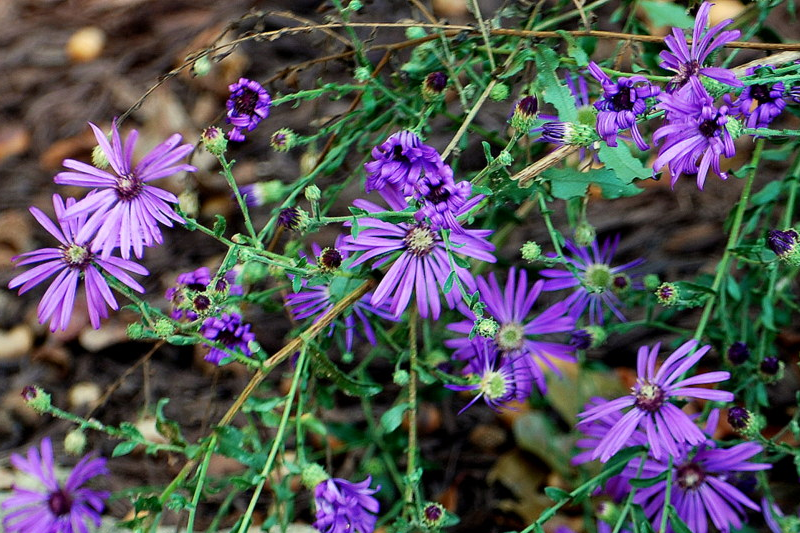
GEORGIA ASTER
(Symphyotrichum georgianum)
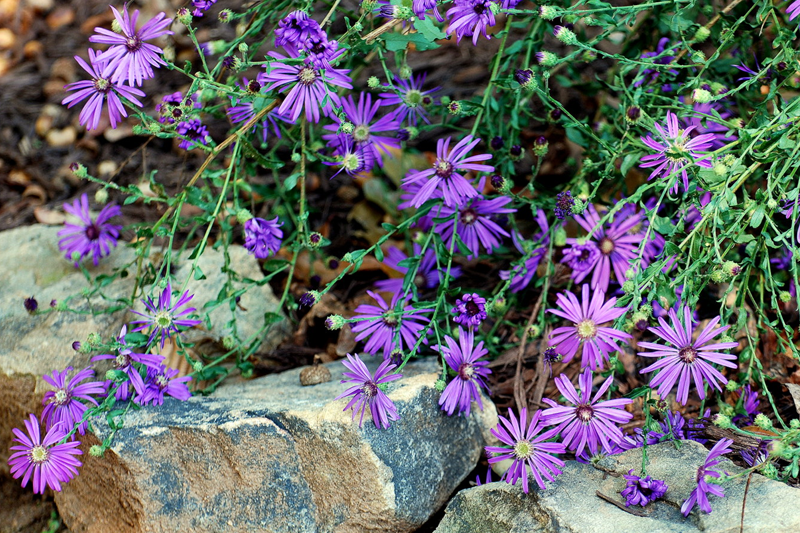
This late-blooming native aster offers striking deep purple flowers that bloom in mid to late spring. It grows well in full sun to partial shade and helps support native bees.
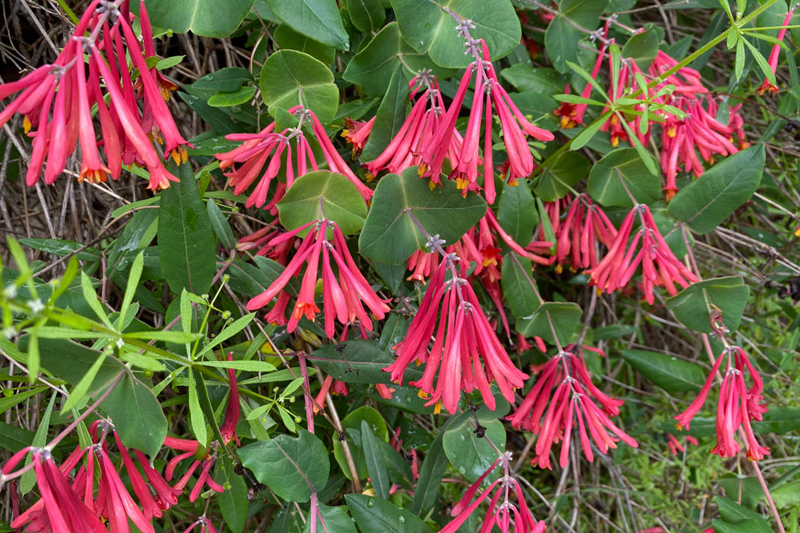
CORAL HONEYSUCKLE
(Lonicera sempervirens)
A showstopper vine with tubular red-orange flowers, coral honeysuckle is a hummingbird magnet. It’s a native Georgia plant ideal for arbors, fences, or trellises.
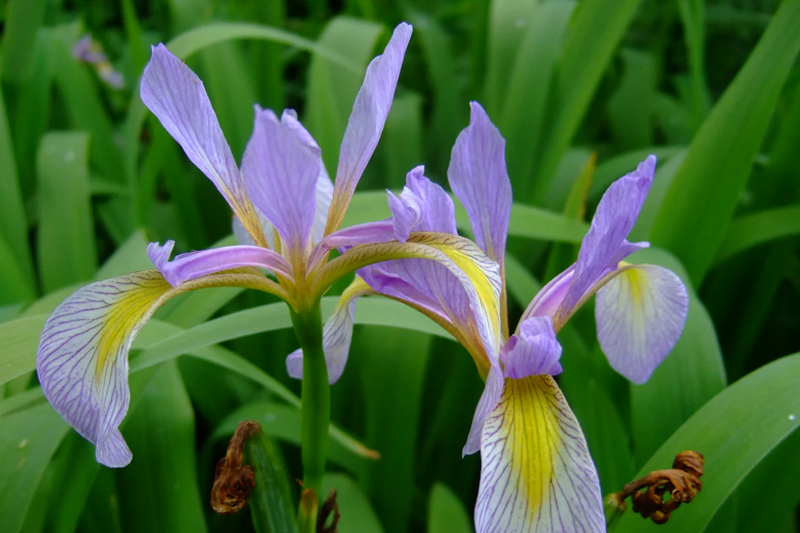
SOUTHERN BLUE FLAG IRIS
(Iris virginica)
Great for wetter areas of your garden, this striking perennial has sword-like leaves and vibrant blue-purple flowers. It grows naturally near marshes and streams throughout Georgia
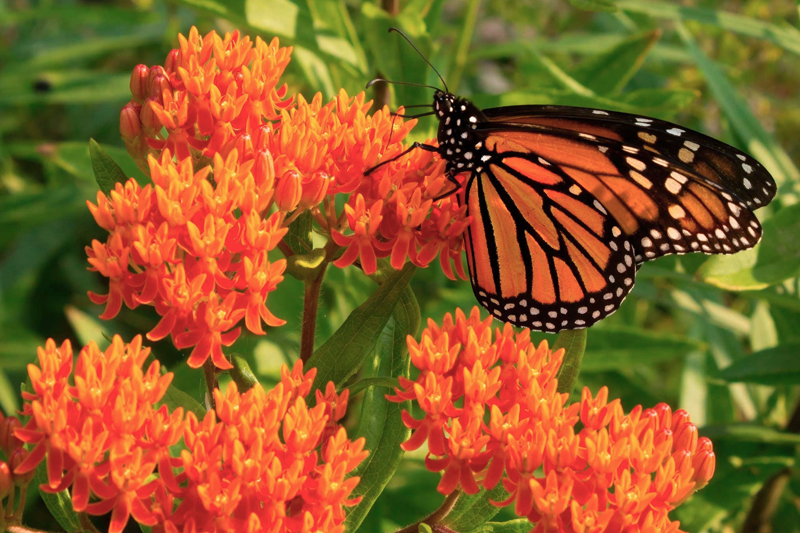
BUTTERFLY WEED
(Asclepias tuberosa)
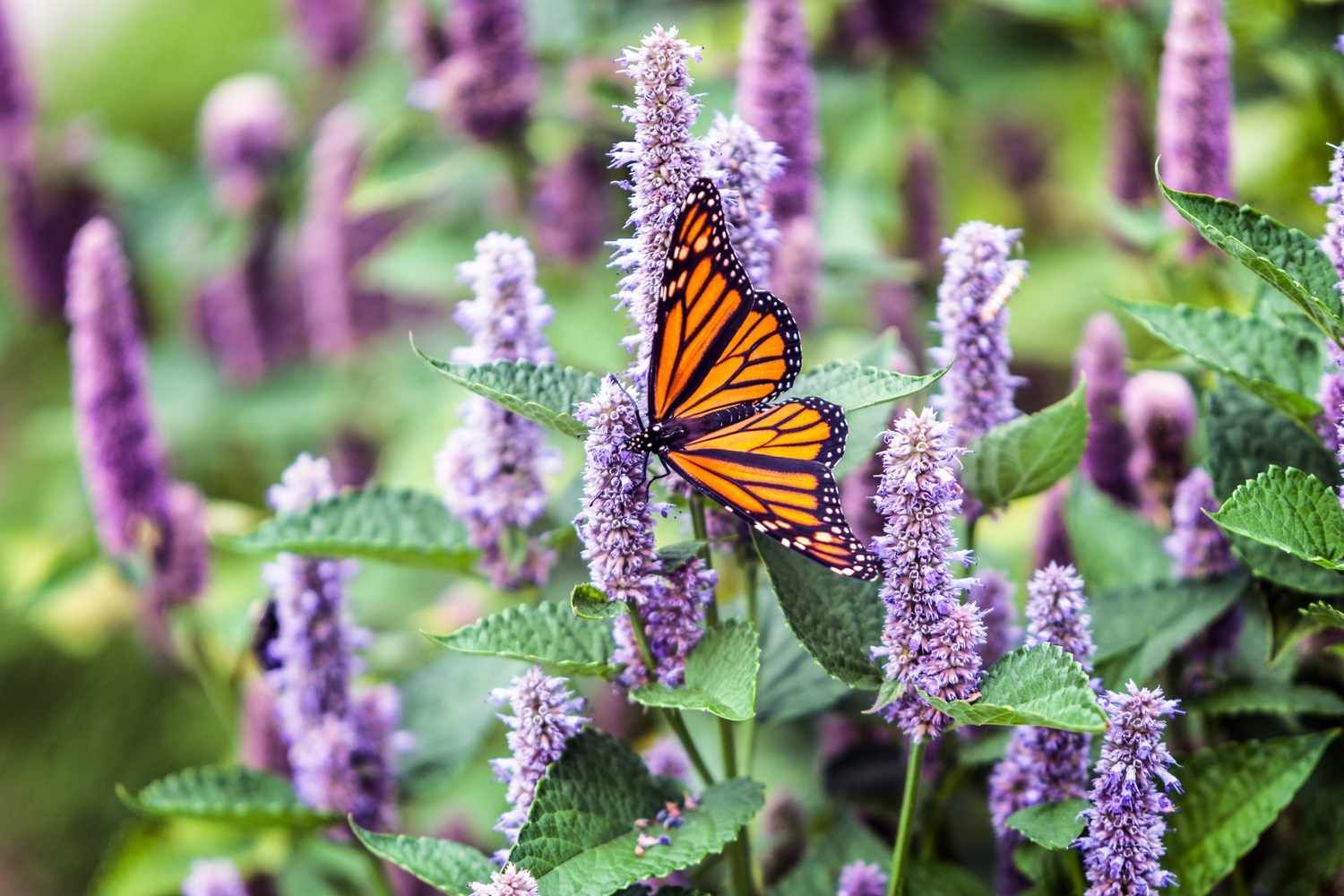
This hardy, orange-flowered milkweed is a must for anyone looking to support monarch butterflies in Georgia. It thrives in full sun and sandy or well-drained soil.
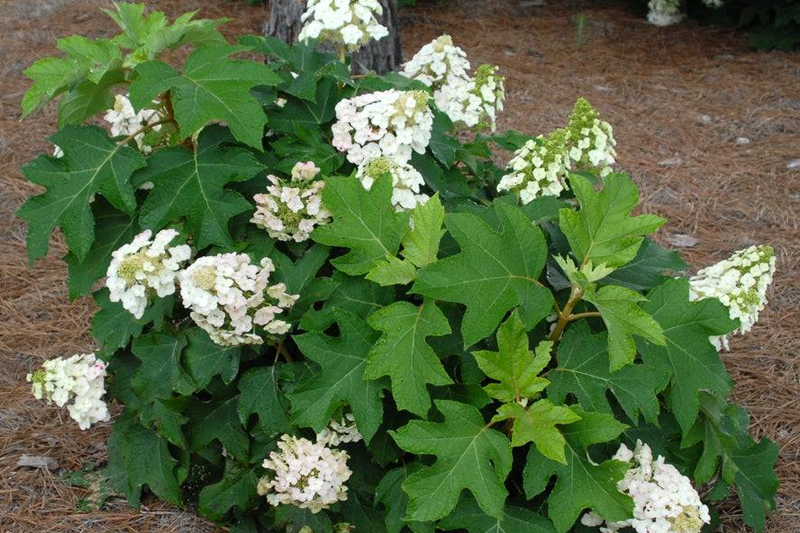
OAKLEAF HYDRANGEA
(Hydrangea quercifolia)
A true native gem, this flowering shrub offers large, cone-shaped blooms that start white and fade to pink. Its oak-like leaves turn brilliant red and orange in fall, giving year-round interest.
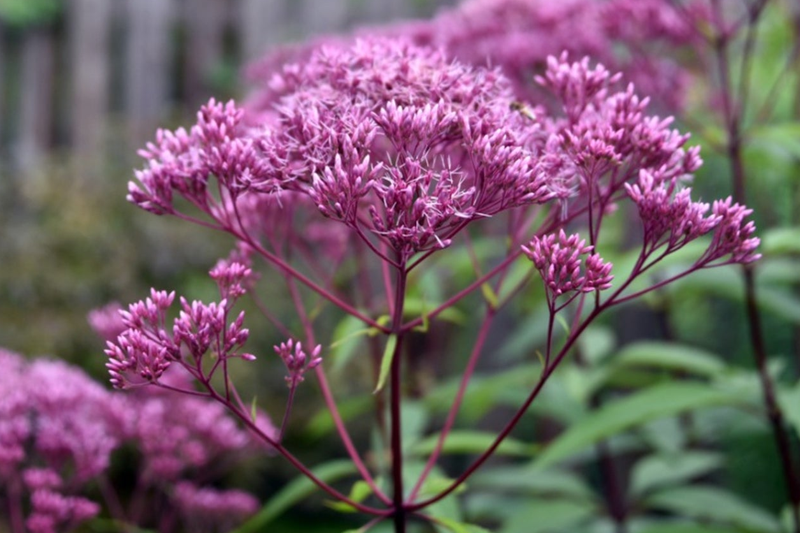
JOE PYE WEED
(Eutrochium fistulosum)
If you’ve got space for a tall stunner, Joe Pye Weed brings height and butterfly appeal to your garden with large pink flower clusters. It prefers moist soils and partial sun.
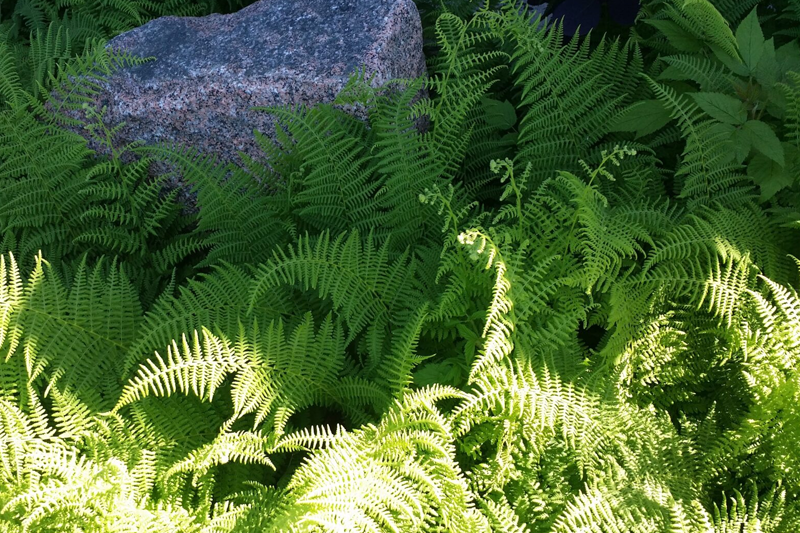
CHRISTMAS FERN
(Polystichum acrostichoides)
For shady areas, this evergreen fern is a Georgia native favorite. It adds lush, green texture to woodland gardens and pairs beautifully with native wildflowers.
TIPS FOR PLANTING GEORGIA'S NATIVE PLANTS
GARDENING WITH PURPOSE IS SMART GARDENING
When you plant native, you’re not just creating a beautiful garden—you’re supporting Georgia’s delicate ecosystems. Native plants provide critical food and habitat for wildlife, from tiny pollinators to birds and small mammals. They also contribute to soil health and help prevent erosion. In a time when biodiversity loss and climate change are growing concerns, even a small native garden can make a big difference.
Choose the Right Plant for the Right Place: Even native species need the right growing conditions. Pay attention to sunlight, soil type, and moisture when selecting plants.
Go Organic When Possible: Native plants typically require fewer chemical inputs, so consider adopting organic gardening practices to keep your landscape safe for pollinators and pets.
Water Wisely: Once established, most native plants are drought-tolerant. However, give new transplants consistent moisture during their first growing season to help roots establish.
Mulch with Purpose:
Use natural mulch like pine straw or shredded bark to retain soil moisture and suppress weeds.
DESIGNING WITH GEORGIA'S NATIVE PLANTS
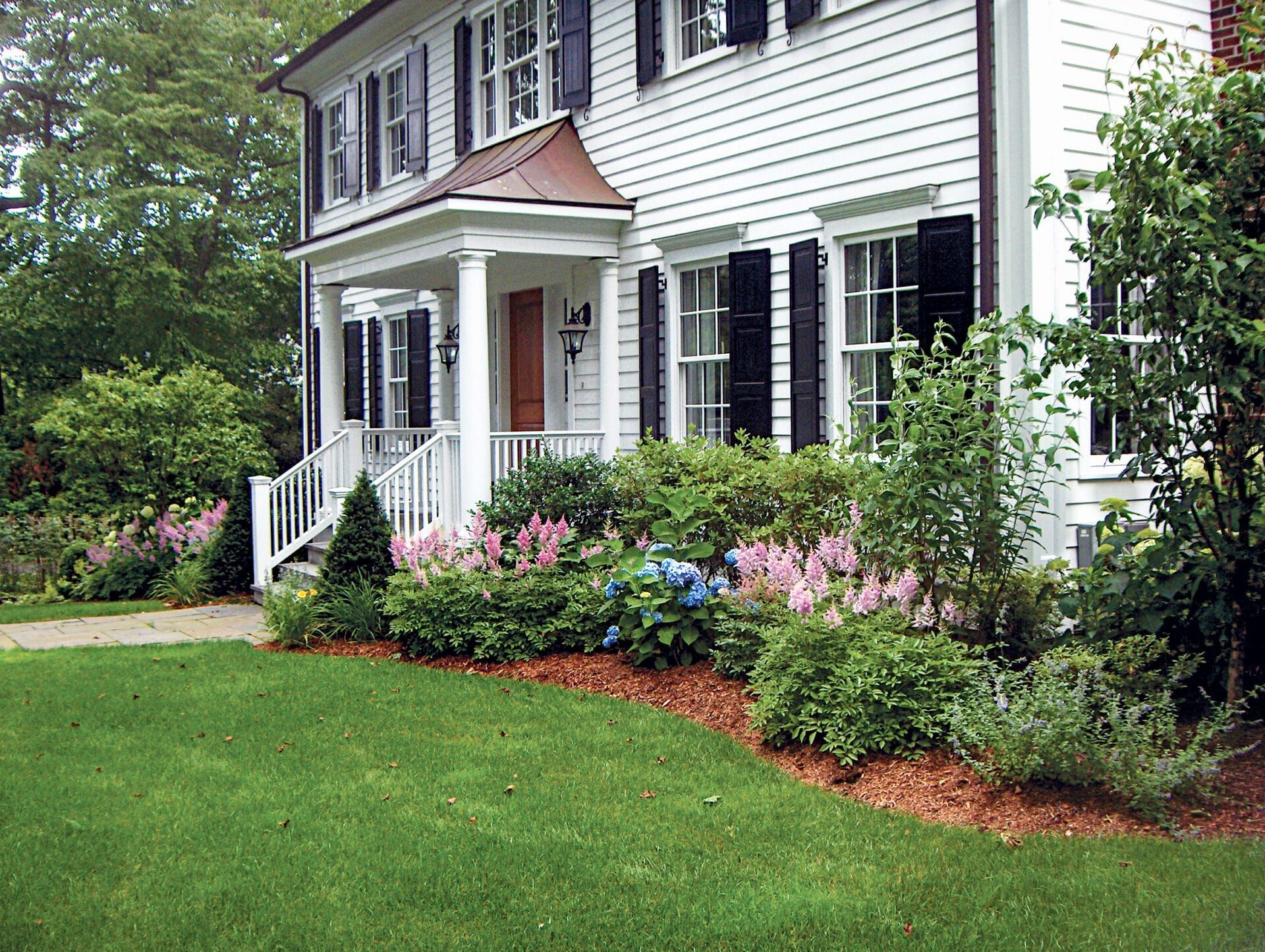
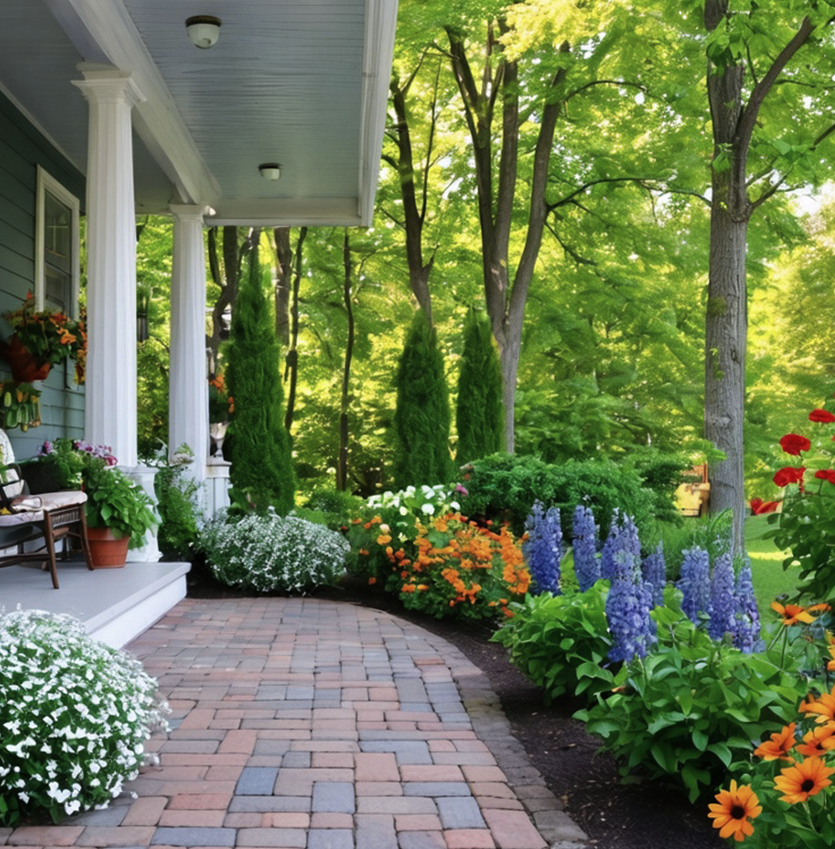
Using native plants doesn’t mean sacrificing style. In fact, they can create some of the most visually striking gardens when combined with a thoughtful eye for color, height, texture, and seasonal bloom times. Whether you’re going for a more formal front yard look or a relaxed backyard vibe, here are three inspired garden design ideas that feature native Georgia plants.
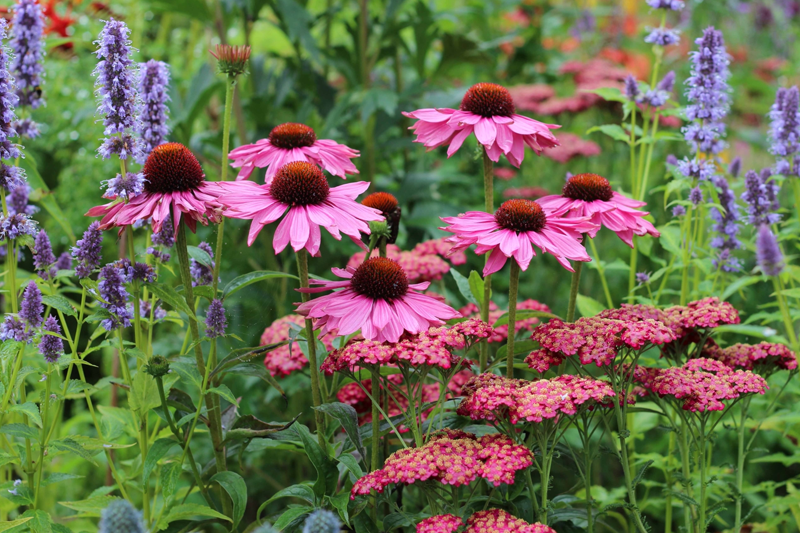
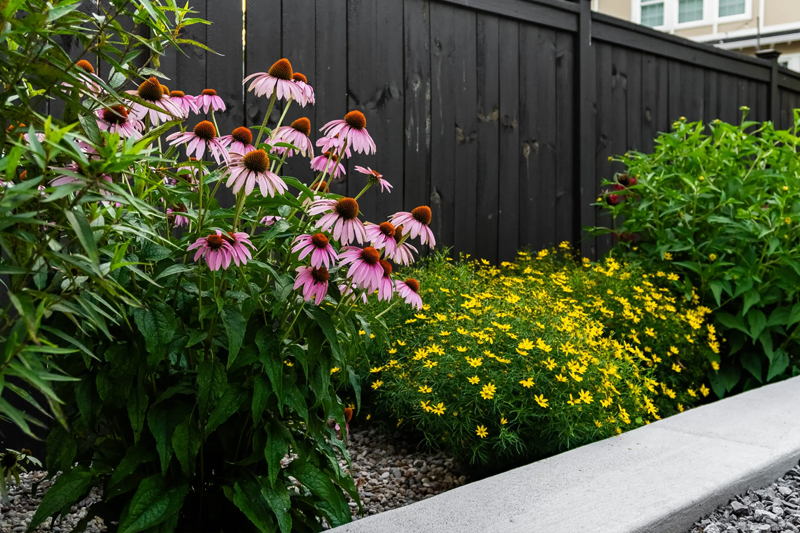
A POLLINATOR-FRIENDLY, COTTAGE BORDER
Create a full, layered look by pairing the plants, below. This kind of combination works well along walkways, fences, or around mailboxes. It’s not only beautiful but buzzing with life during the warmer months.
- Purple Coneflower (Echinacea purpurea) for height and color
- Bee Balm (Monarda didyma) for fragrance and hummingbirds
- Butterfly Weed (Asclepias tuberosa) to bring in monarchs
- Eastern Bluestar (Amsonia tabernaemontana) for soft blue spring flowers and golden fall foliage
- Creeping Phlox (Phlox subulata) along the border edge for spring groundcover
A WOODLAND RETREAT AND SHADE GARDEN
For shady areas under trees or along the edges of your property, try mixing these native plants for a peaceful, elegant shade garden. These native plants are low-maintenance (once established) and are ideal for areas that get morning sun or dappled afternoon light.
- Christmas Fern (Polystichum acrostichoides) for evergreen interest
- Wild Ginger (Asarum canadense) for groundcover and unique foliage
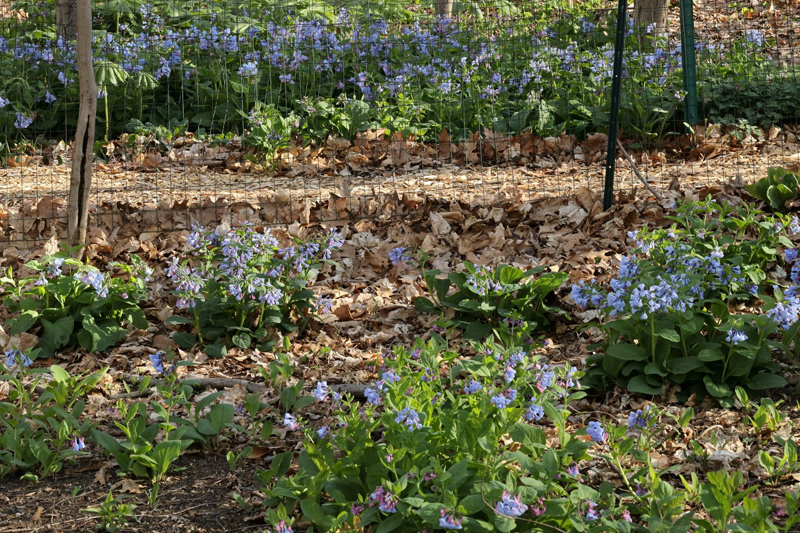
- Virginia Bluebells (Mertensia virginica) for soft, early-spring color
- Native Azaleas (Rhododendron canescens) for showstopping blooms
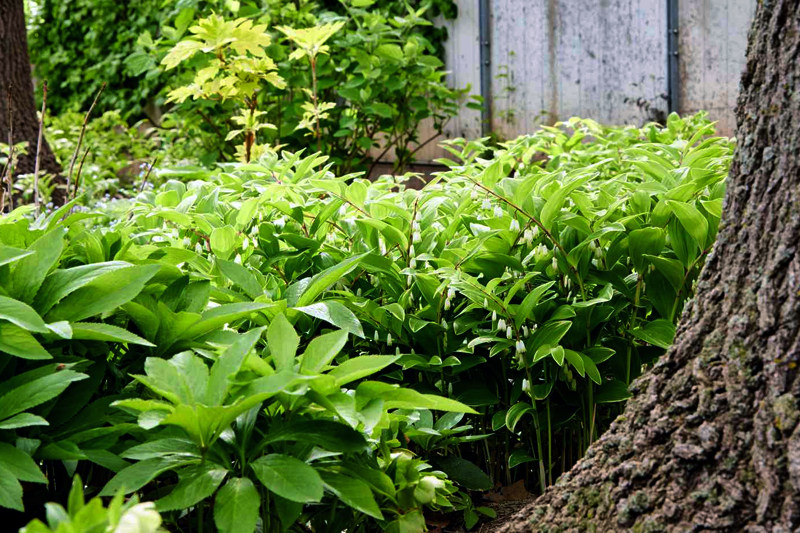
- Solomon’s Seal (Polygonatum biflorum) to add graceful height and movement
A DROUGHT-TOLERANT HILLSIDE OR SLOPE
If you’re dealing with a sloped yard or a dry area that’s hard to keep green, go native with plants that don’t mind the challenge. Try these plants to create a dynamic look that shifts beautifully through the seasons—and they help prevent soil erosion on tricky spots.
- Little Bluestem (Schizachyrium scoparium) for soft, rustling grass texture
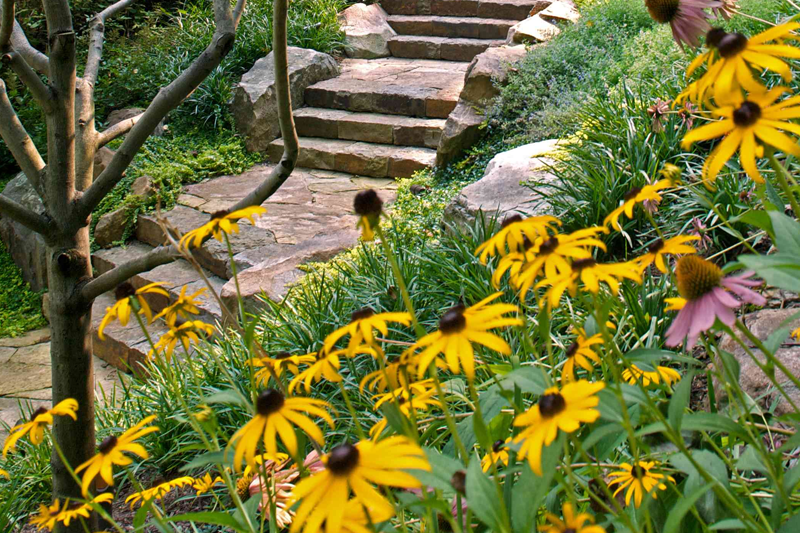
- Black-eyed Susan (Rudbeckia hirta) for cheerful yellow blooms
- False Indigo (Baptisia australis) for blue-purple flower spikes and hardy roots
- Coreopsis (Coreopsis lanceolata) for long-lasting yellow color
- Georgia Aster (Symphyotrichum georgianum) for rich fall color
GEORGIA NATIVE PLANT RESOURCES
- PURCHASING, EDUCATION, EVENTS -
For more information on Georgia's native plants or purchasing resources, you can get started with our list below. These resellers are trusted sources of native plants and seeds; however, when buying, we recommend that you avoid plants that are labeled “nursery cultivars” or “nativars” if your goal is ecological restoration. Go for straight species whenever possible.
GEORGIA NATIVE PLANT SOCIETY (GNPS)
Education, Plant Sales, Events
The
Georgia Native Plant Society (GNPS) is a wonderful nonprofit organization dedicated to promoting the stewardship and conservation of Georgia’s native plants and their habitats. Their website offers a wealth of information on Georgia's native plants, resource material to help you learn more about the importance of conservation, using native plants in landscaping, and they also host plant sale events.
WEBSITE: https://gnps.org/
PHONE: 770-343-6000

UNIVERSITY OF GEORGIA EXTENSION
Education, Workshops, Events
For over 100 years,
University of Georgia Cooperative Extension has provided free, reliable, research-based information based on the latest scientific research in language that anyone can understand.UGA Extension offers a wealth of personalized services like workshops, classes, consultations, certifications, camps and educator resources.
CLICK HERE TO READ MORE ABOUT GA NATIVE PLANTS
PHONE: 678-377-4010

WARNER ROBBINS NATIVE PLANT CENTER
Education, Plant Sales, Events
The
Warner Robins Native Plant Center is a community project of
Keep Warner Robins Beautiful and
Georgia Military College. Its mission is to educate the public about the importance of Georgia's native plants to a healthy ecosystem. They offer a Spring seminar series, programs for school groups, volunteer oportunities, education on plant propagation and conservation, and plant sales each Spring and Fall. Plants included are native perennials, shrubs, and trees.
WEBSITE: https://www.grownatives.org/
ADDRESS: GMC Warner Robins Campus
115 Prince Street, Warner Robins, GA 31093
PHONE: Ben White, 478-718-9079

COTTAGE GARDEN NATIVES
Nursery (Local and Online Plant Sales)
A great resource for buying native plants is
Cottage Garden Natives, a small, family-owned native plant nursery in Lithonia. They specialize in growing plants native to the Georgia Piedmont region and throughout the southeastern United States, and regularly host plant sale events and open houses.
WEBSITE: https://www.cottagegardennatives.com/home
ADDRESS: 6244 Holt Road, Lithonia, GA 30058
PHONE:
770-282-4859
EVERGREEN NURSERY
*WHOLESALE Plant Sales
Although
Evergreen Nursery only sells to landscapers and garden centers, they are worth mentioning because they have a huge selection of plants native to Georgia, including perennials, groundcovers, ferns, Hostas, and grasses. You can visit their website to see the plants they offer, and if you see something you love and it's available, contact us and we'll arrange the purchase, pickup, and delivery.
WEBSITE: https://evergreennurseryinc.net/
CALL BROWN BROTHERS TO BUY: 470-238-9057