Fall Landscaping Checklist for DIYers
Fall Landscaping Checklist for DIYers
Article by "This Old House" landscape contractor Roger Cook
Fall landscaping is a crucial investment in your yard's health and beauty for the coming year.
As temperatures cool and soil moisture increases in the fall, plants focus on root development rather than above-ground growth. That makes fall the “prime time to prep your yard for the next growing season,” according to
This Old House landscape contractor, Roger Cook. Follow Cook’s comprehensive fall landscaping checklist, below, to set up your lawn and garden for success next spring.
Aerate Cold-Season Grasses
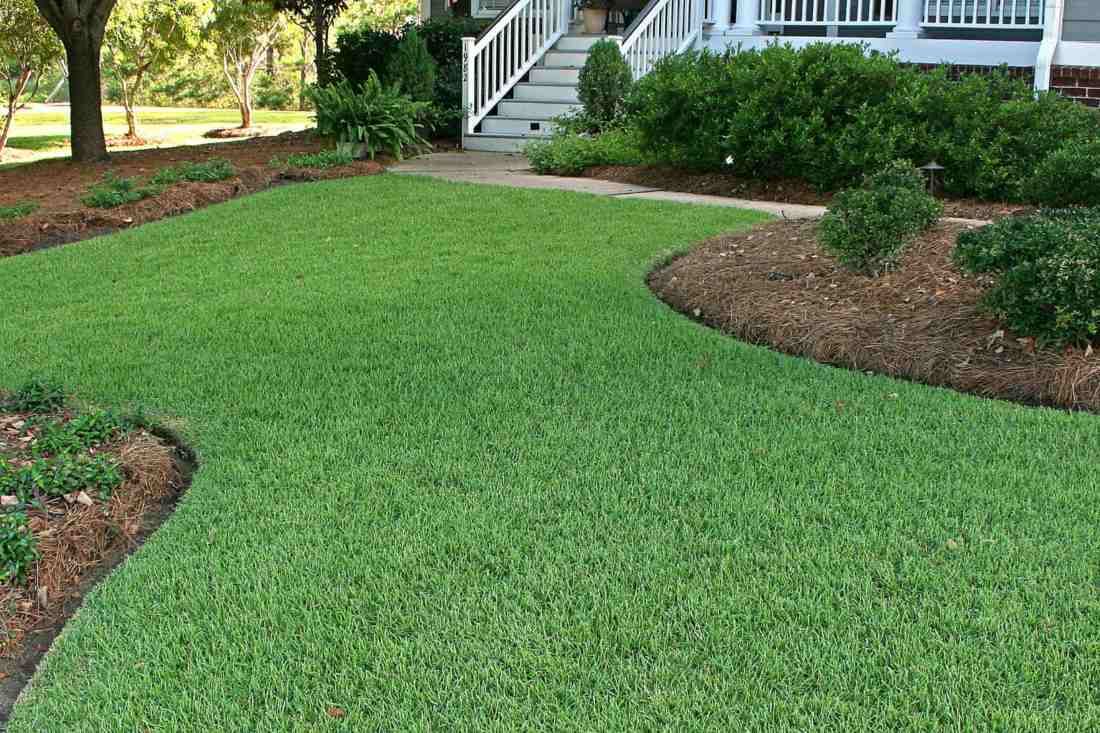
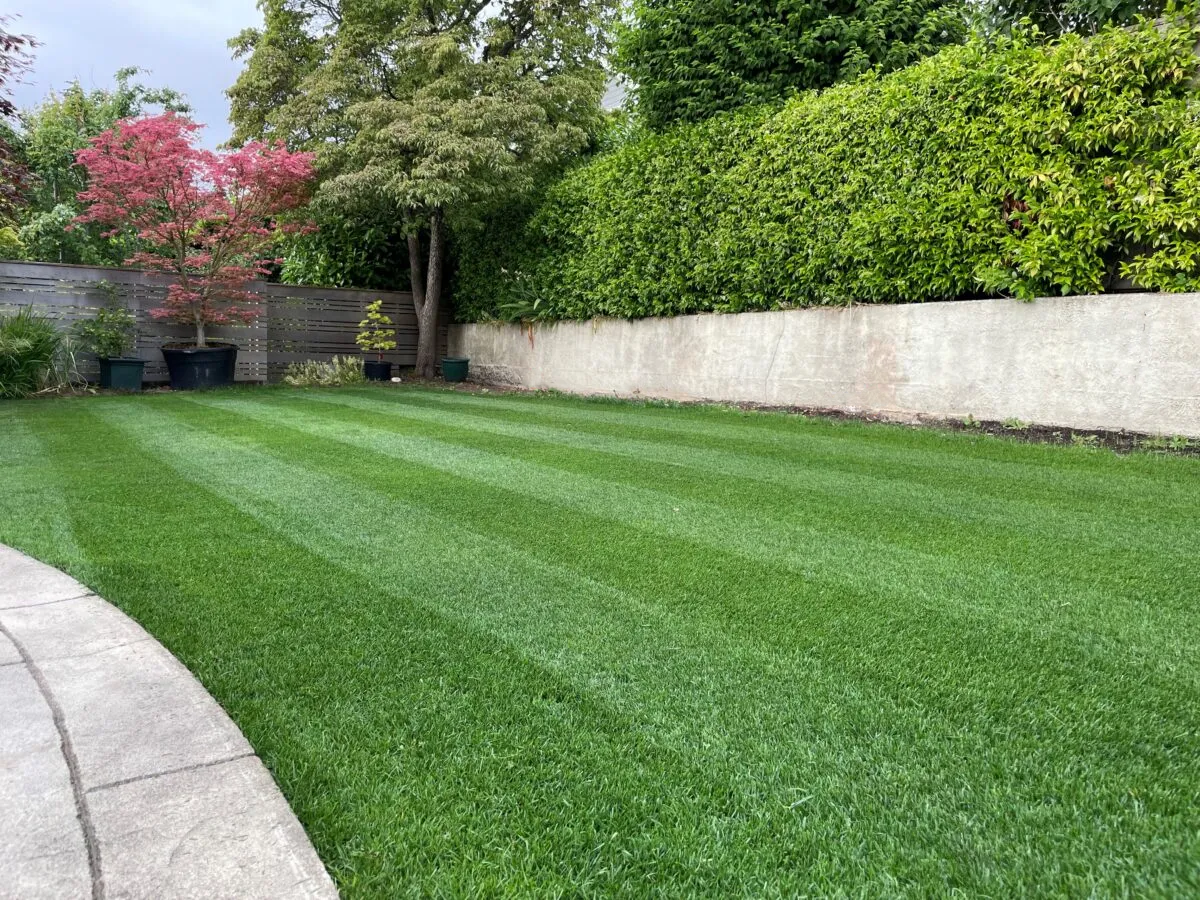
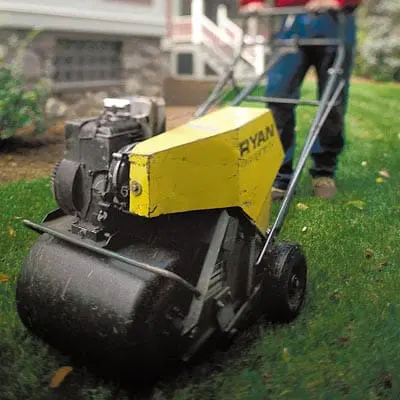
If you notice water pooling on your grass after rainfall, it’s a sign that your soil is compacted. The fix for this is aeration—a process that allows water, air, and nutrients to penetrate the soil and reach grass roots more effectively. Regular aeration each fall ensures a greener, healthier lawn come springtime. For small yards, a garden fork can suffice, but larger lawns benefit from a walk-behind, core aerator. These machines pull out soil plugs about 3 inches deep, which naturally break down by spring, improving soil structure and lawn health.
Feed Your Grass
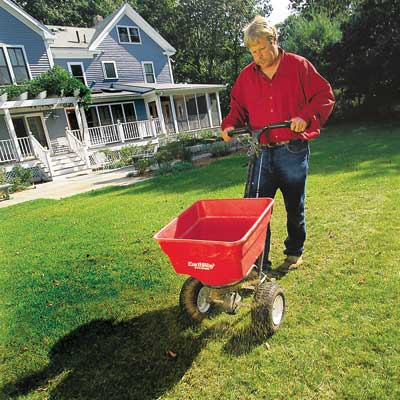
While it’s wise to cut back on fertilizer for perennials in late summer, your lawn can benefit from a fall feeding. “Grass roots keep growing until the ground gets down to around 40 degrees,” Cook says, “so this is a good time to feed them.” A well-fed lawn is better equipped to withstand winter stresses and disease.
Apply a high-phosphorus (12-25-12) fertilizer mix to lawns in the fall. This nutrient balance encourages strong root development, which helps your lawn green up earlier and more vigorously in spring.
Mow a Final Time
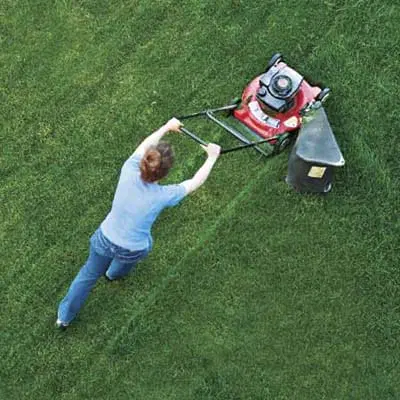
Before winter sets in, give your lawn a final trim. However, be cautious not to cut too low, as grass produces most of its food in the upper blade. Striking the right balance ensures your lawn stays healthy through winter and emerges strong in spring.
Cook recommends cutting the grass to about 1¼ inches for the last mow of the season. This shorter length offers several benefits. “Disease has a harder time with shorter grass,” Cook says, “and fallen leaves blow across the lawn because they have nothing to latch on to.”
Collect Leaves
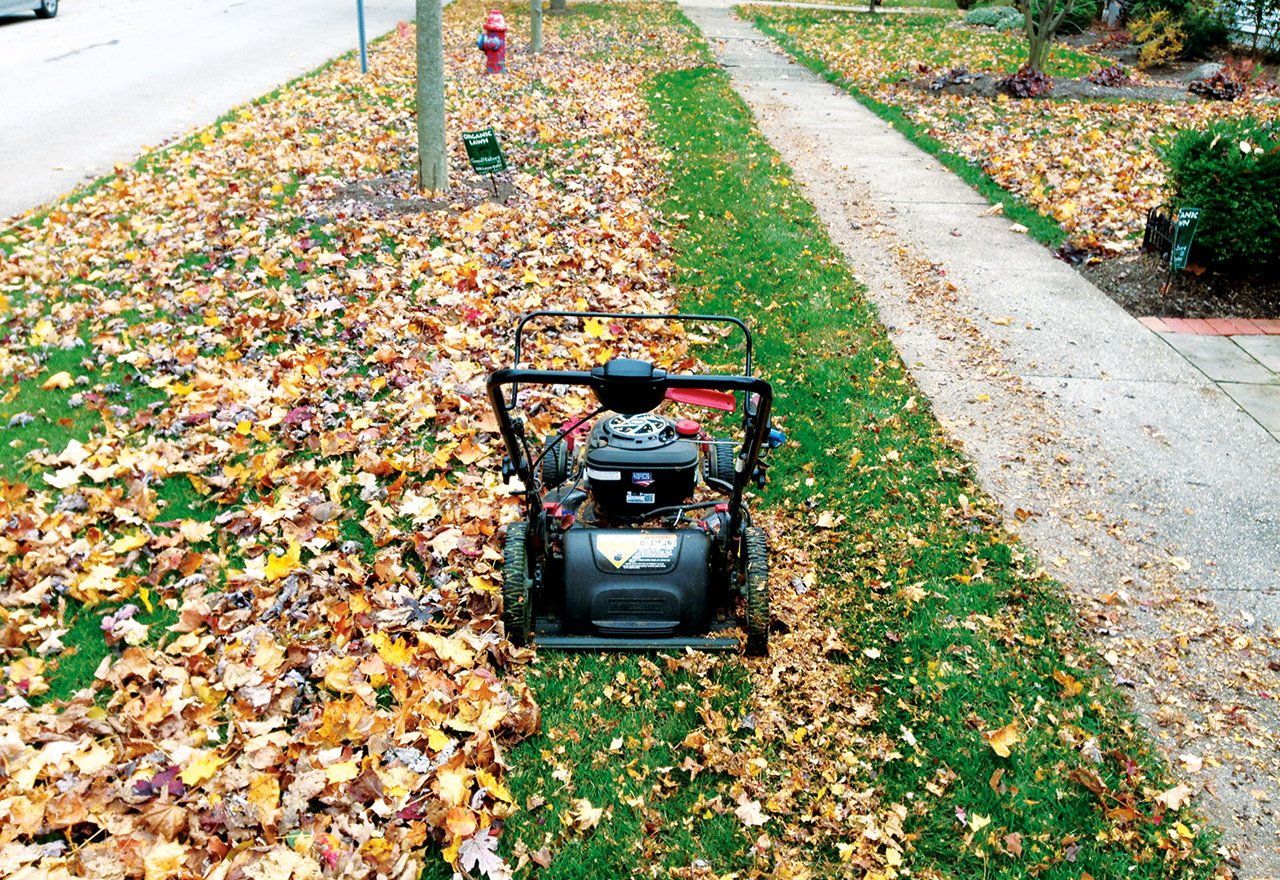
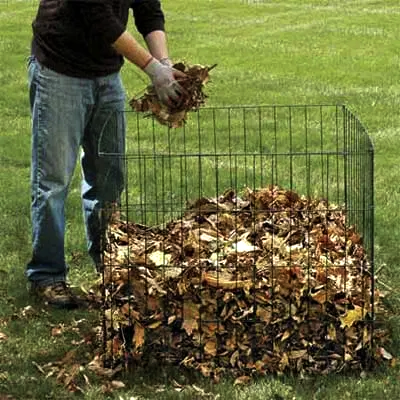
Fallen leaves can smother your lawn if left unattended, so it’s crucial to remove them. To make this task easier, rake leaves onto a plastic tarp for easy transport. But don’t let those leaves go to waste—they’re perfect for composting.
Add your raked leaves to a compost bin, along with any leaves you remove from your gutters. A simple chicken-wire pen will do. Turn the leaf pile weekly with a garden fork to aerate it. By next year, you’ll have nutrient-rich “black gold” to nourish your lawn, flower beds, and shrub borders.
Plant New Shrubs and Trees
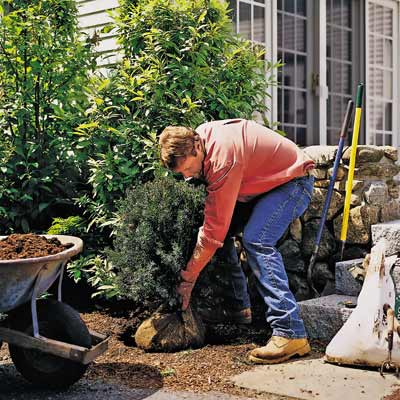
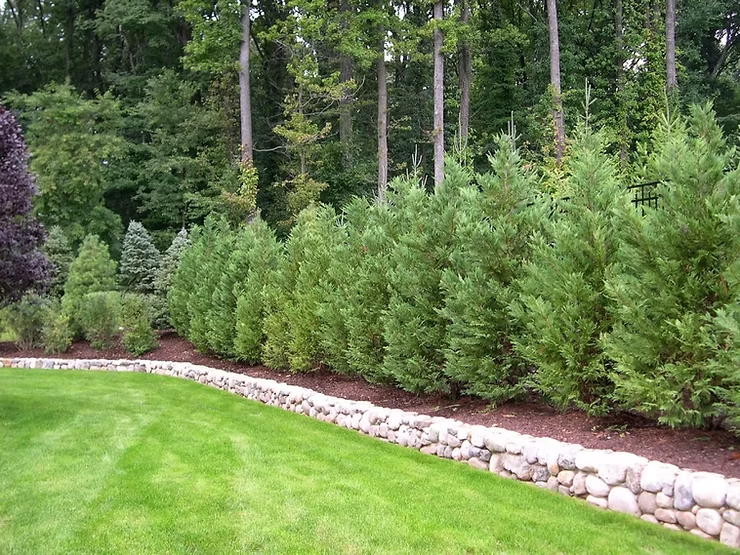
In many regions, early fall is an excellent time to plant new shrubs and trees. The cool, moist soil conditions encourage strong root establishment before winter dormancy. It's important to choose species that are well-suited to your local climate, and consulting with your local nursery can provide valuable insights into which shrubs are most likely to thrive in your area. Here’s a basic guide for planting shrubs:
- Dig a hole twice the diameter of the root ball and 2 inches shallower than its full height.
- Position the shrub in the hole, ensuring the top of the root ball is at ground level.
- Backfill with soil and water thoroughly to settle the soil.
- Add more soil around the root ball if needed, but avoid packing it down with your foot.
- Apply a layer of mulch around the base of the shrub, keeping it away from the trunk.