Joro Spiders - What You Need to Know
The Joro Spider: An Unwelcome Addition to Georgia Landscapes
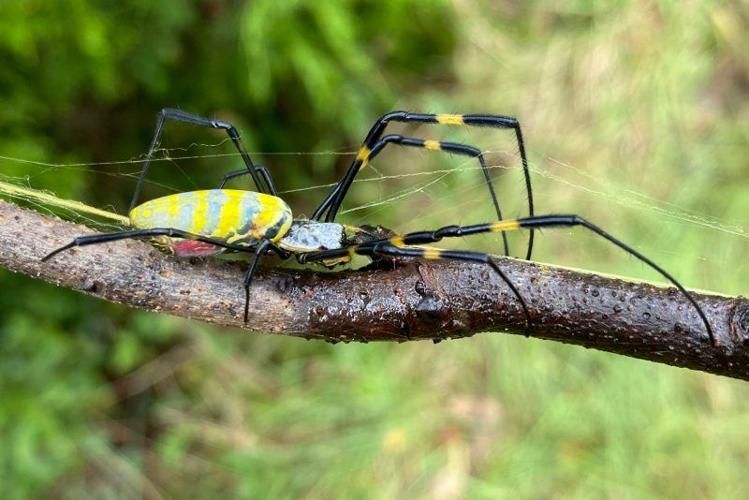
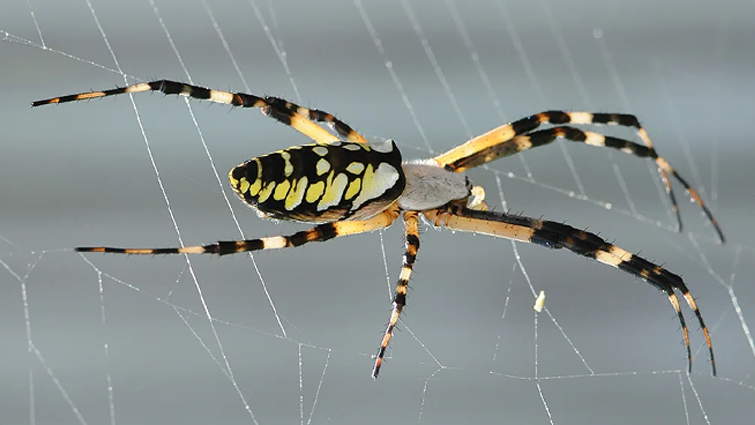
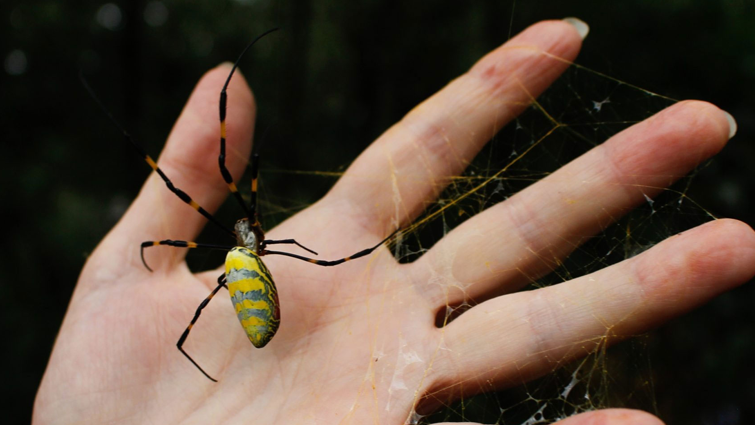
Georgia is now home to a huge, non-native arachnid, the joro spider (Trichonephila clavata), a member of the orb-weaver group of spiders. It’s in the news because the adult female spider is quite colorful and can be as large as 3 to 4 inches across, the size of the palm of your hand.
This native of East Asia was first positively identified in Georgia in the fall of 2014, when it was found in the Braselton area. Rick Hoebeke, arthropods collections manager with the Georgia Museum of Natural History, who identified the spider, believes it probably arrived in a shipping container that was delivered to the area.
Since 2014, the Joro spider has rapidly expanded its territory and its population. It is now found in most of the counties in the northern half of Georgia.
This rapid expansion is due to the spider’s lifecycle and adaptability. The joro is quite cold-tolerant, and though adults tend to die off in fall or winter, egg sacs (with hundreds of eggs) overwinter. Hatchlings emerge in spring and begin to expand their territory. They do this by riding the wind on thin strands of silk, a process called “ballooning.” By catching an air current, it is estimated that the spiders can travel tens to hundreds of miles.
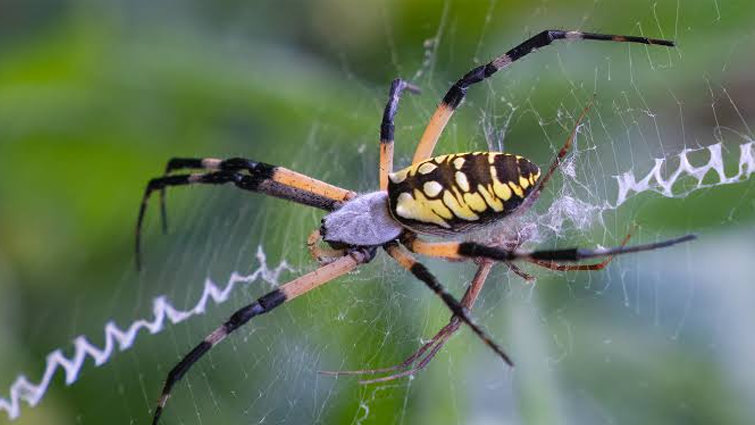
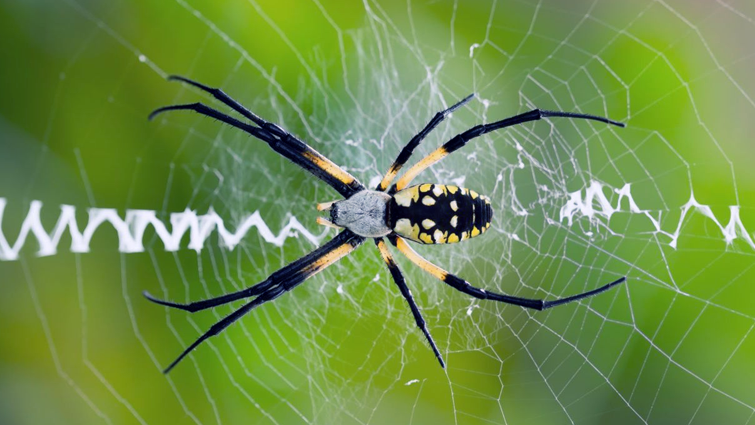
If you want to control the joro spiders on your property, identification is key because you certainly don’t want to kill beneficial native spiders. One important distinguishing feature is the web. Joro spiders typically build large, three-dimensional, extremely sticky and messy webs, and when the sun hits them, the silk may appear golden, especially if the spider is an adult. The web can be enormous and may be communal, with several spiders inhabiting one large web.
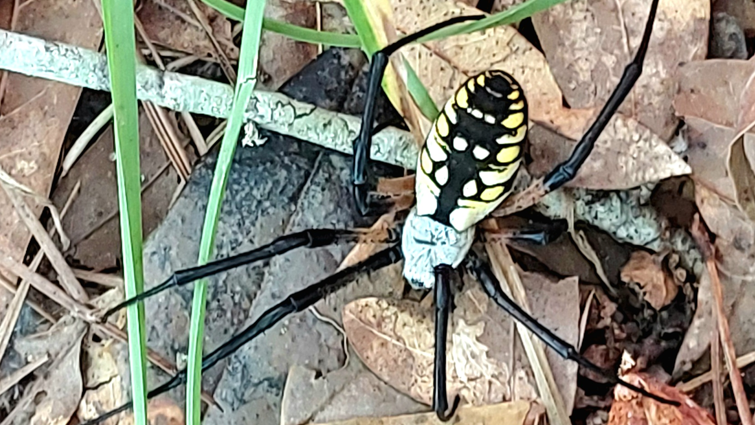
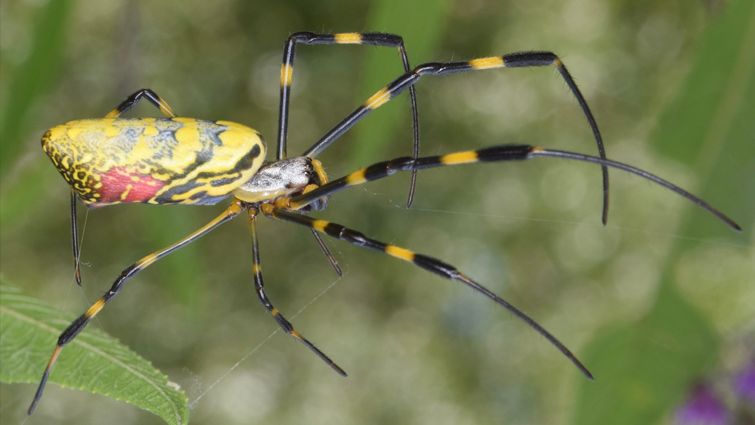
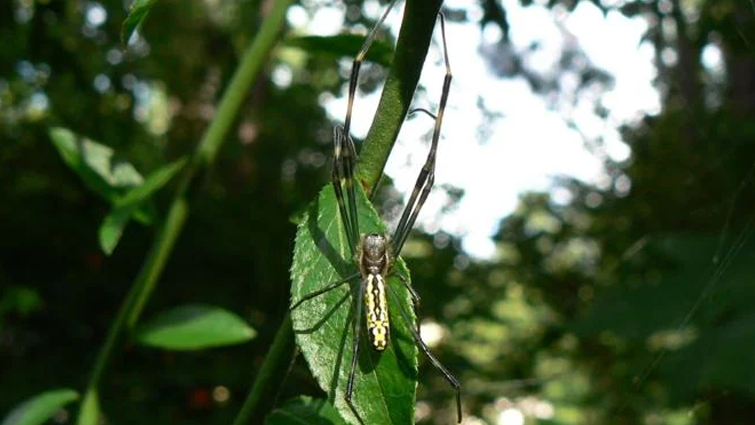
The mature female Joro is the easiest to identify. She will have an elongated body with horizontal bands that alternate between yellow and bluish green to black. The abdomen has a red patch on the underside. The long, thin legs are black and typically have yellow banding. The juvenile female also has an elongated body with yellow banding on the legs, but the marking on her back is a blocky pattern of black, yellow, and white.
Be sure not to confuse the joro with the yellow garden spider or writing spider (Argiope aurantia), a native, beneficial spider. See the differences, below.
Joro Spider
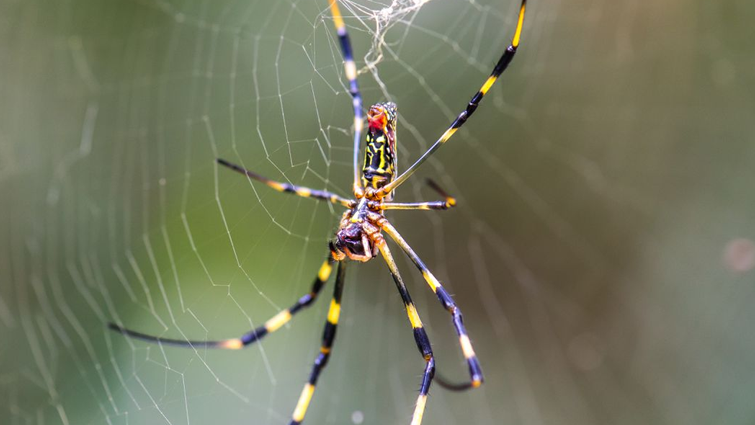
Yellow Garden Spider