The Benefits of Leaf Mulching
The Benefits of Leaf Mulching
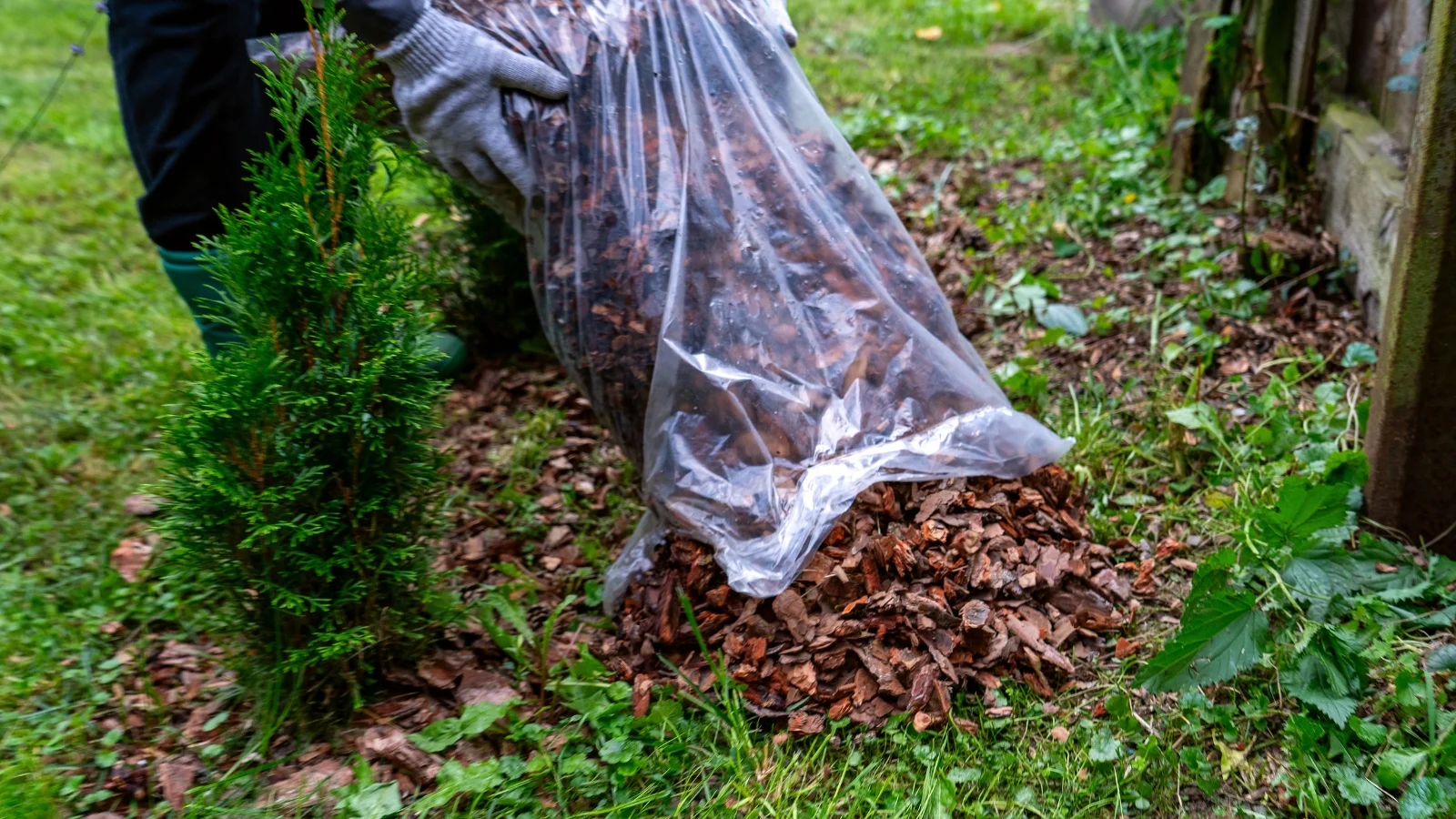
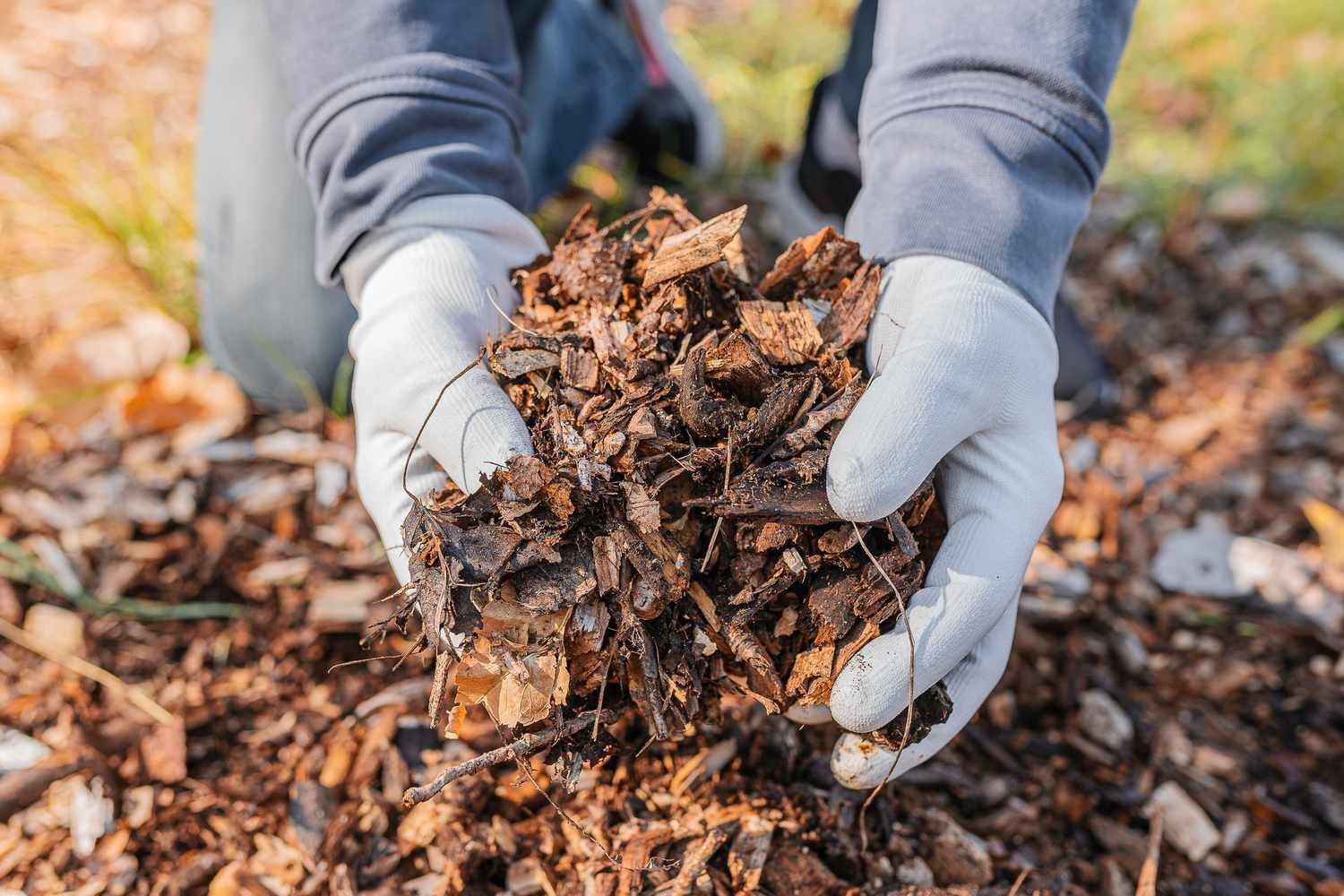
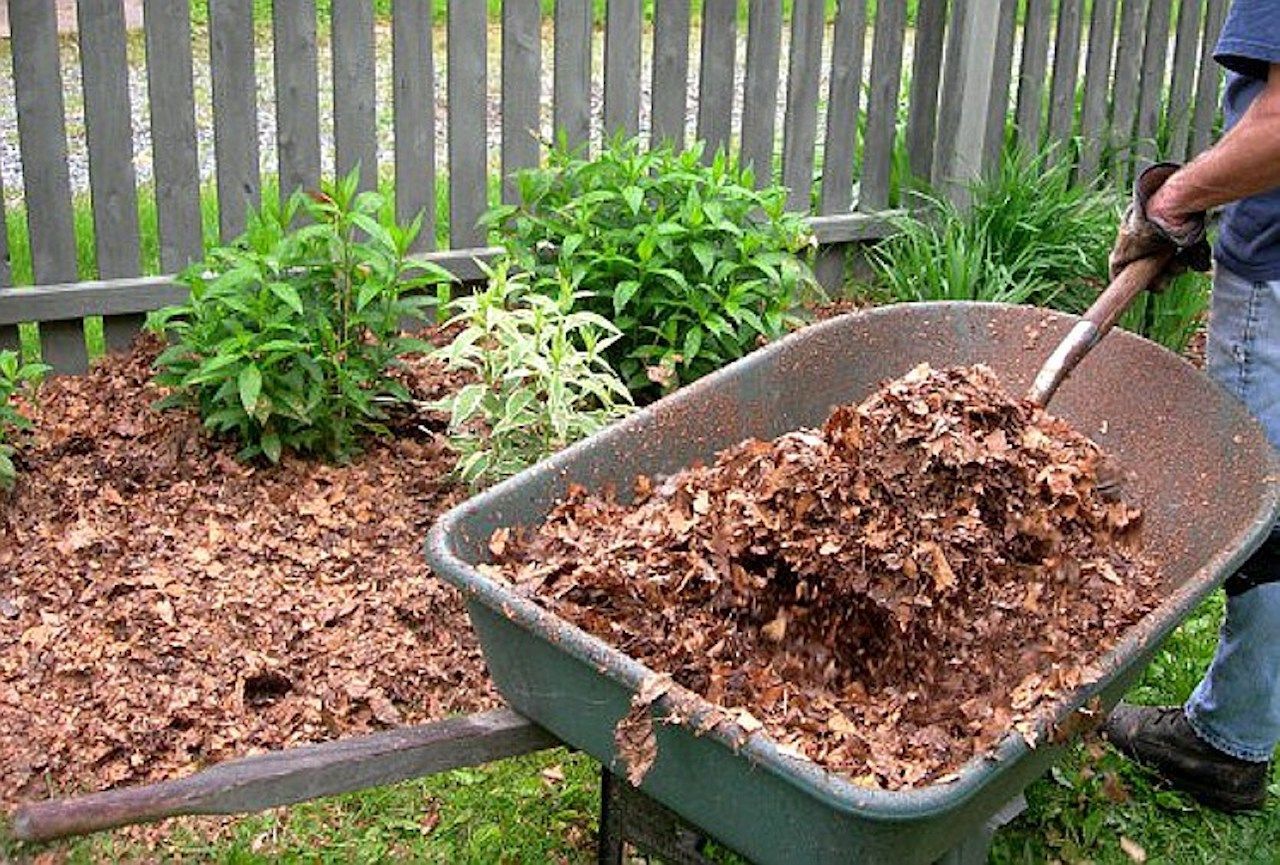
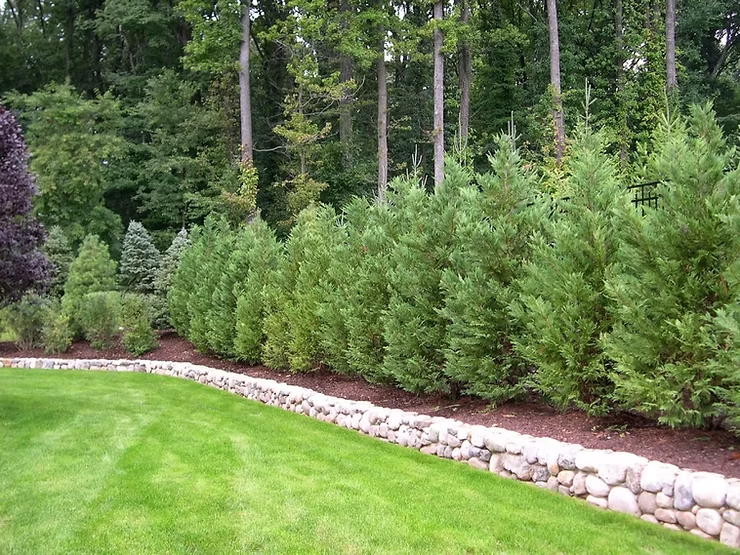
First, what is leaf mulching? Leaf mulching is the practice of chopping leaves into small pieces. Mulching can be done with a lawn mower or a leaf shredder. Mulched leaves can be left on your lawn or they can be piled 3″ or 4″ deep on garden beds and around shrub roots, where they act as a protective layer in the winter and, in the growing season, prevent weed growth and help conserve water.
Leaf mulch decomposes over time adding important nutrients and structure to the soil. Mulch-mowing can be done by both homeowners with small mowers or by commercial landscapers who can buy relatively inexpensive mulching kits to attach to the mower deck instead of regular blades. Deep piles of leaves are no match for landscapers equipped with leaf mulching blades and deck attachments. Mulch-mowing with a regular mower might require repeated passes in the leaf season.
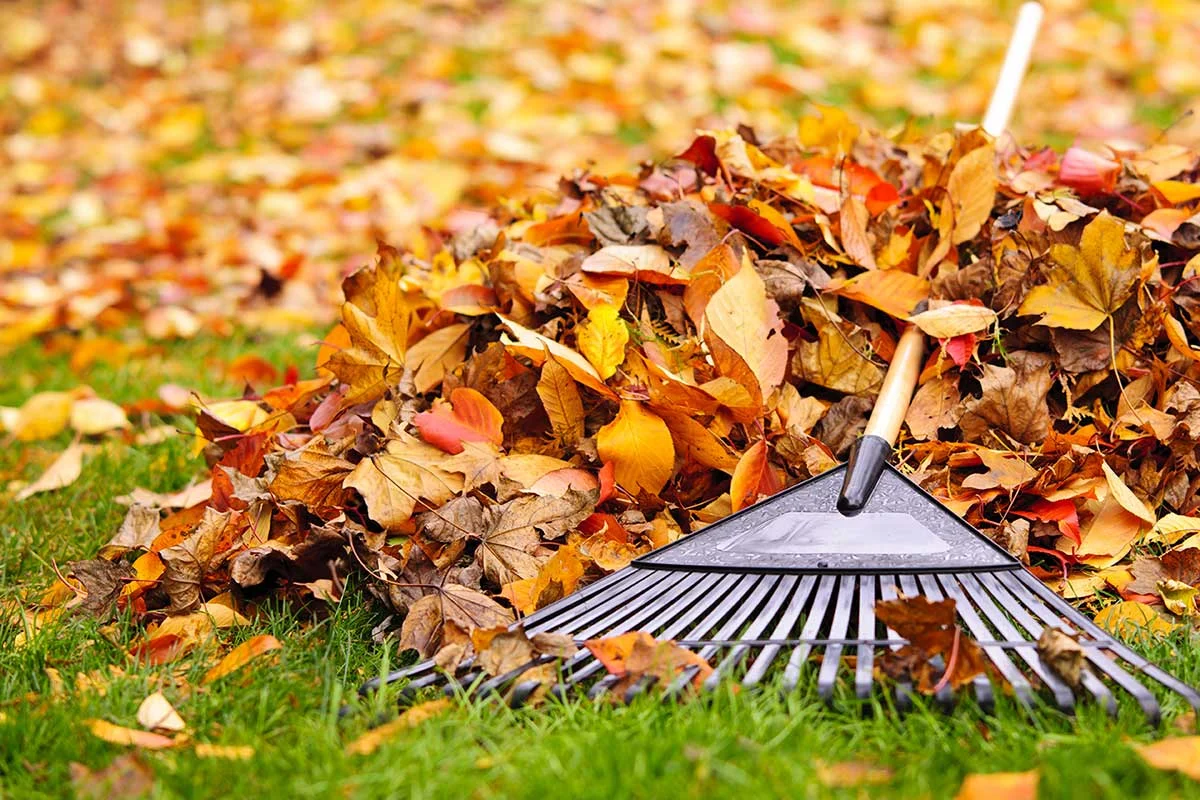
FYI: If there is too much leaf material left on the lawn after a deep pile has been mulched, redistribute it with a rake into the planting beds or spread it around the lawn. Like mowing deep, wet grass, mulch mowing deep piles of wet leaves can be difficult. Spread the leaves thin and try to mow when leaves are dry.
LEAF MULCHING HOW-TO
We advise mulching leaves that have fallen on your grass lawns, rather than blowing them off the lawn. Mulching the leaves on your lawn has many advantages: It reduces noise and greenhouse gases, because it reduces the use of leaf blowers, and as an added bonus, it also enhances the health of your yard by creating valuable compost, which enriches the topsoil. Leaf mulching avoids the spreading dust and contaminants into the air and saves you time and money. The benefits of leaf mulching are numerous:
- Mulching is quieter and cleaner.
- Mulching improves soil structure, reduces the need for fertilizer and avoids water pollution by reducing phosphorus and fertilizer leaching.
- Mulching reduces the safety hazard of piled up or bagged leaves on the roadsides and saves taxpayer money for municipal leaf collection.
- Mulch, when spread on garden beds, suppresses weeds and improves soil quality and when it decomposes into compost, it suppresses disease.
- By adding organic matter to the soil, leaf mulching improves water retention and percolation, for improved rain water management.
- Additional organic matter loosens the soil allowing grass roots to penetrate more deeply, improving grass health.
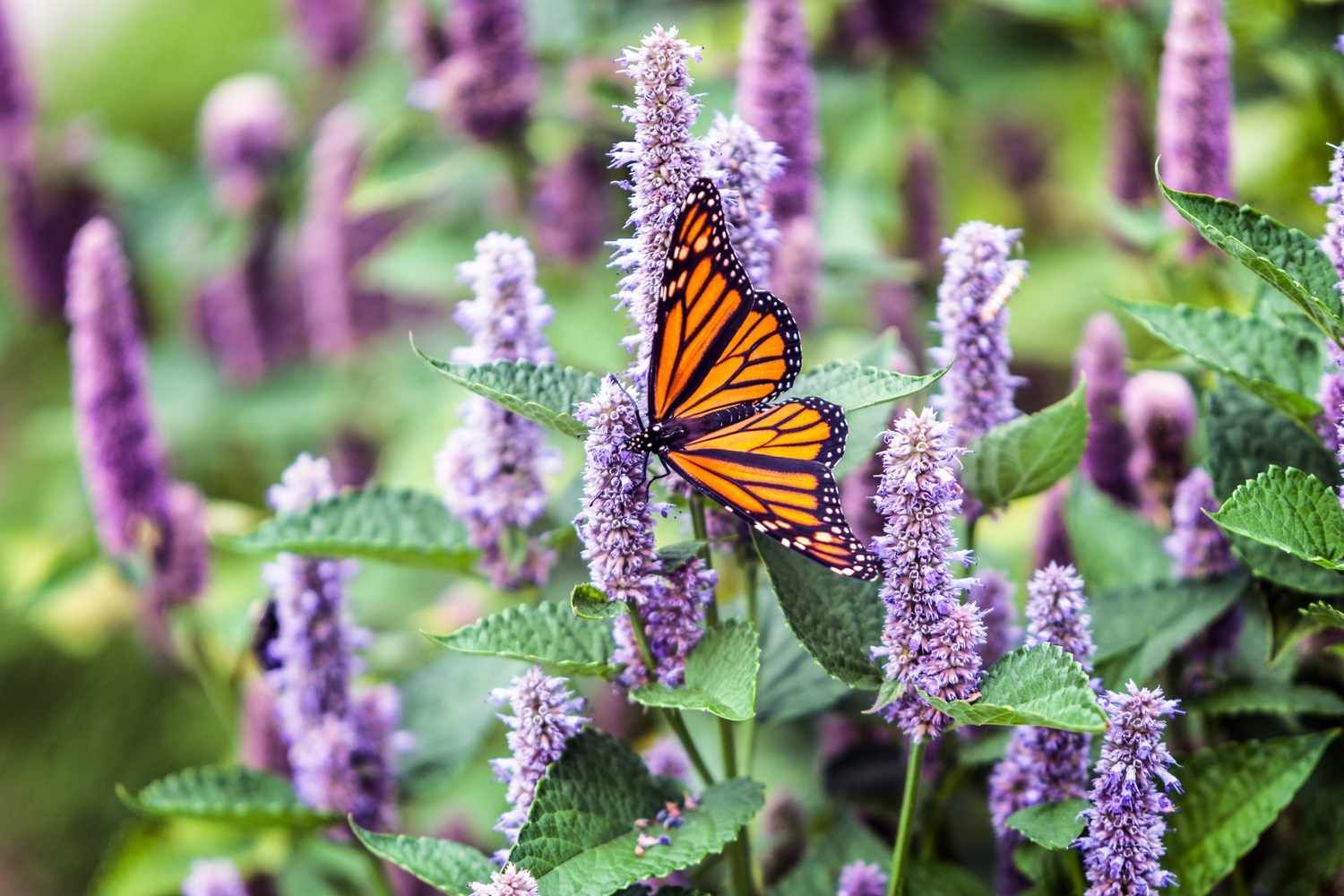
- Not all leaves have to be mulched. Rake them around the base of trees and shrubs or into perennial beds where they will protect the roots of those plants as well as provide essential winter habitat for butterflies and important insects.