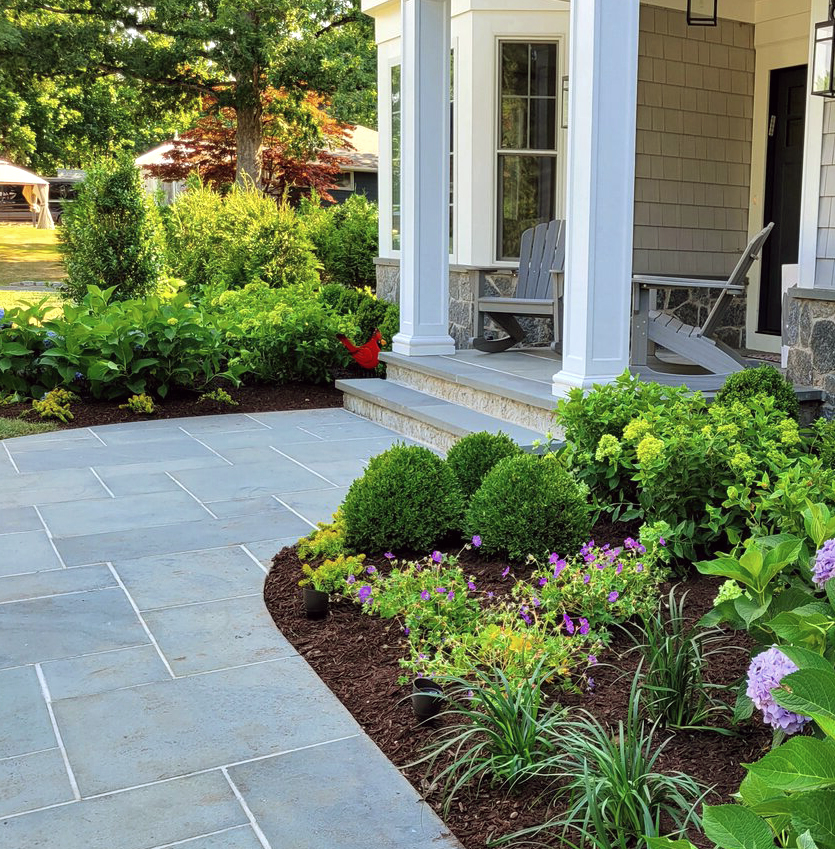
Plants that Attract Georgia Wildlife
Plants that Attract Georgia Wildlife
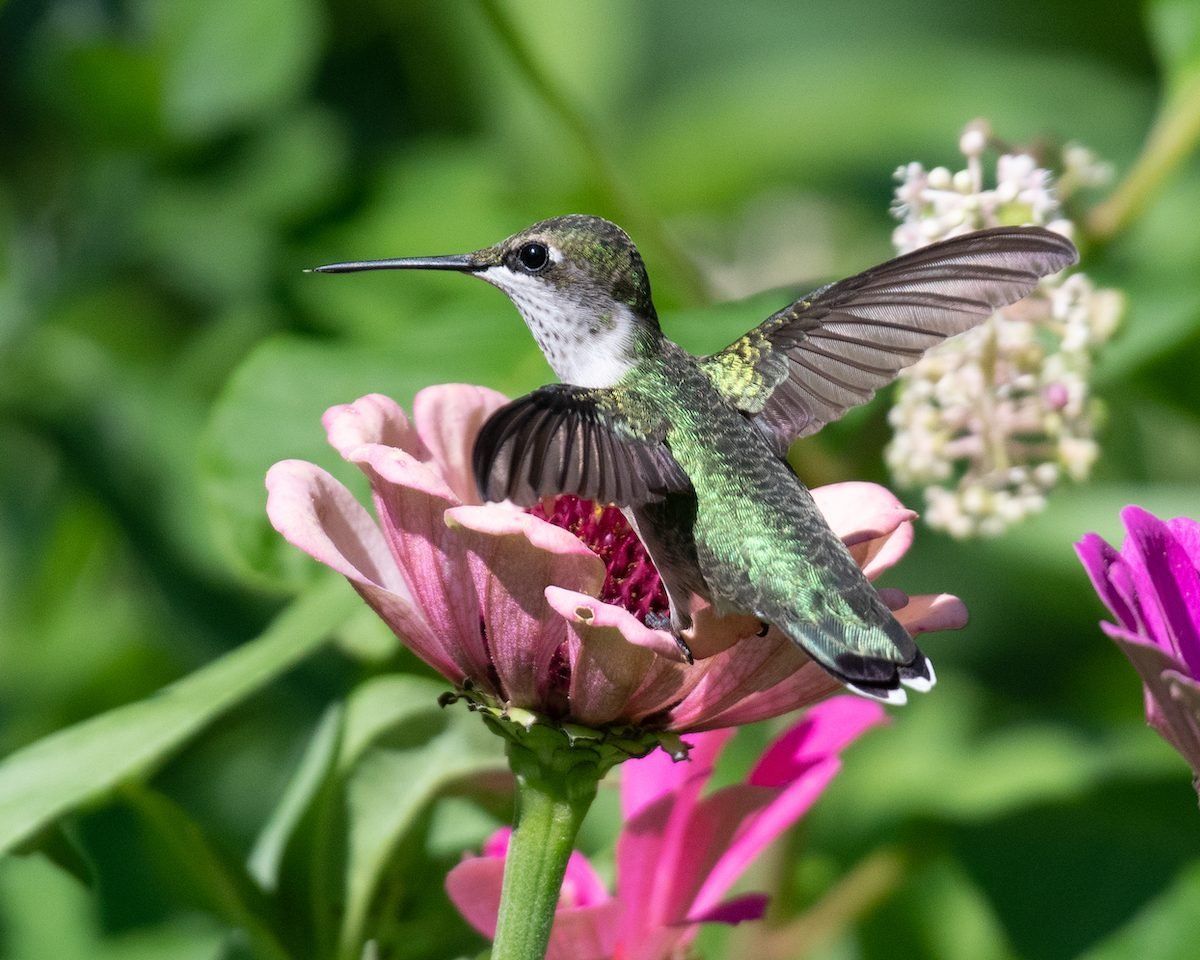
Article by Department of Natural Resources, Wildlife Resources Division
There are many plants that are both pleasing to the eye and provide songbirds with valuable sources of food long after the flowers themselves have withered and died. Below is a partial list of some plants that are easily grown in Georgia gardens and come in many colors to suit any landscape design.
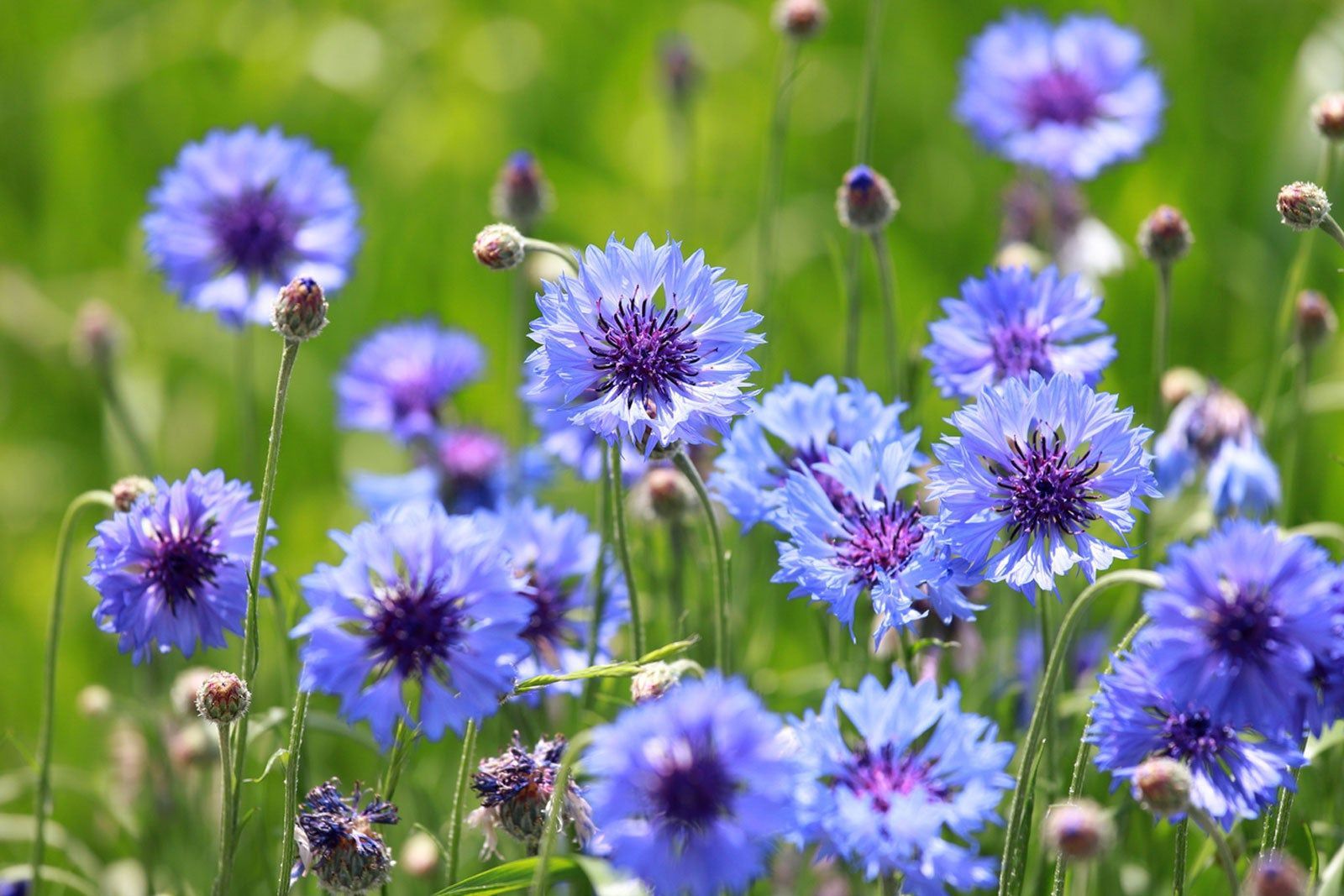
1) Bachelor's Button
This hardy plant is related to Georgia's native thistle and normally blooms in midsummer. Like the thistle, goldfinches and one or our states newest residents, the house finch favor bachelor button seeds.
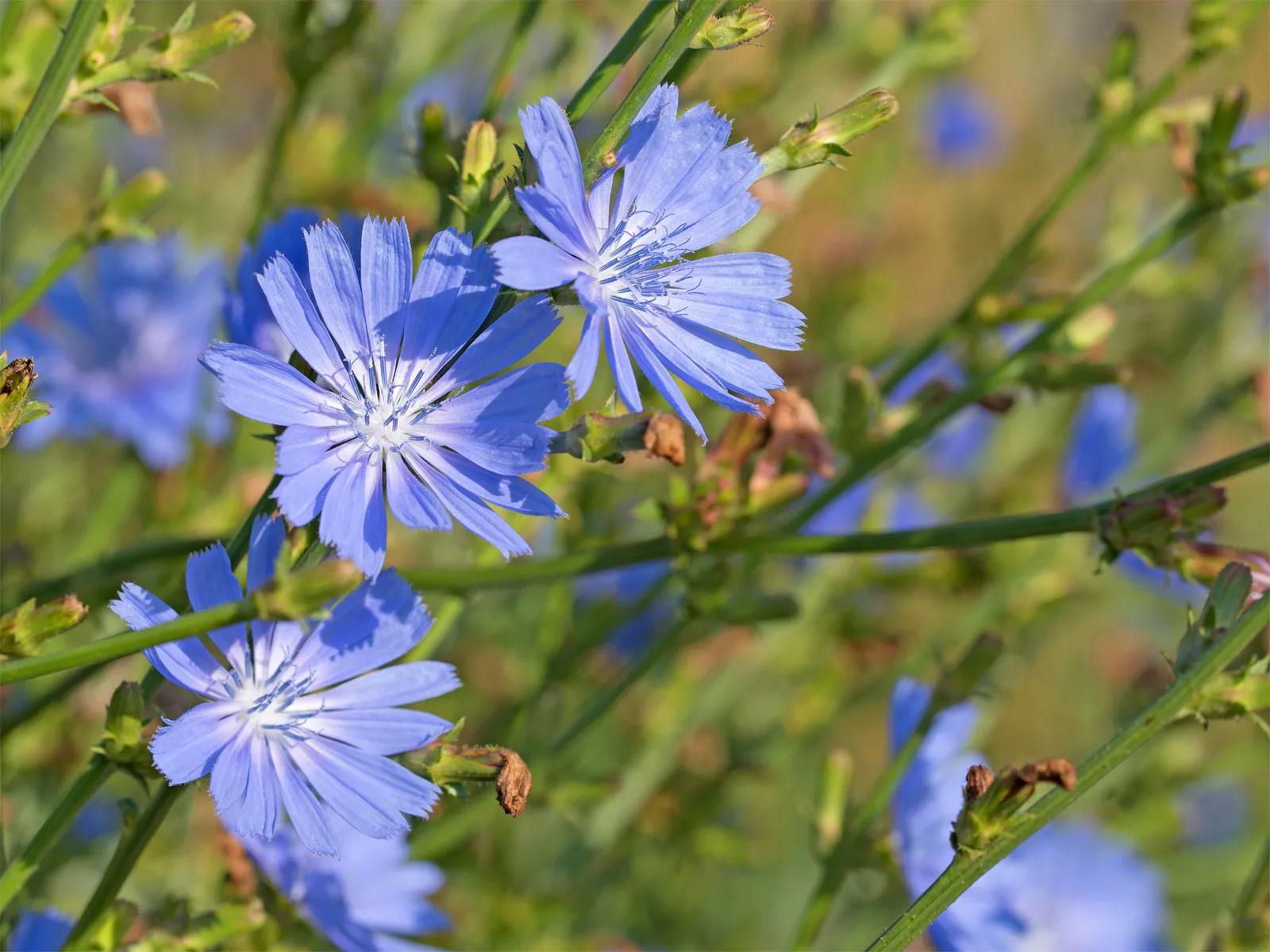
2) Chicory
This plant provides gardeners with attractive blue blossoms. In fact, the blossoms and seedpods are often found on the plant at the same time. The seeds of this European weed are considered to be a choice food of the American goldfinch.
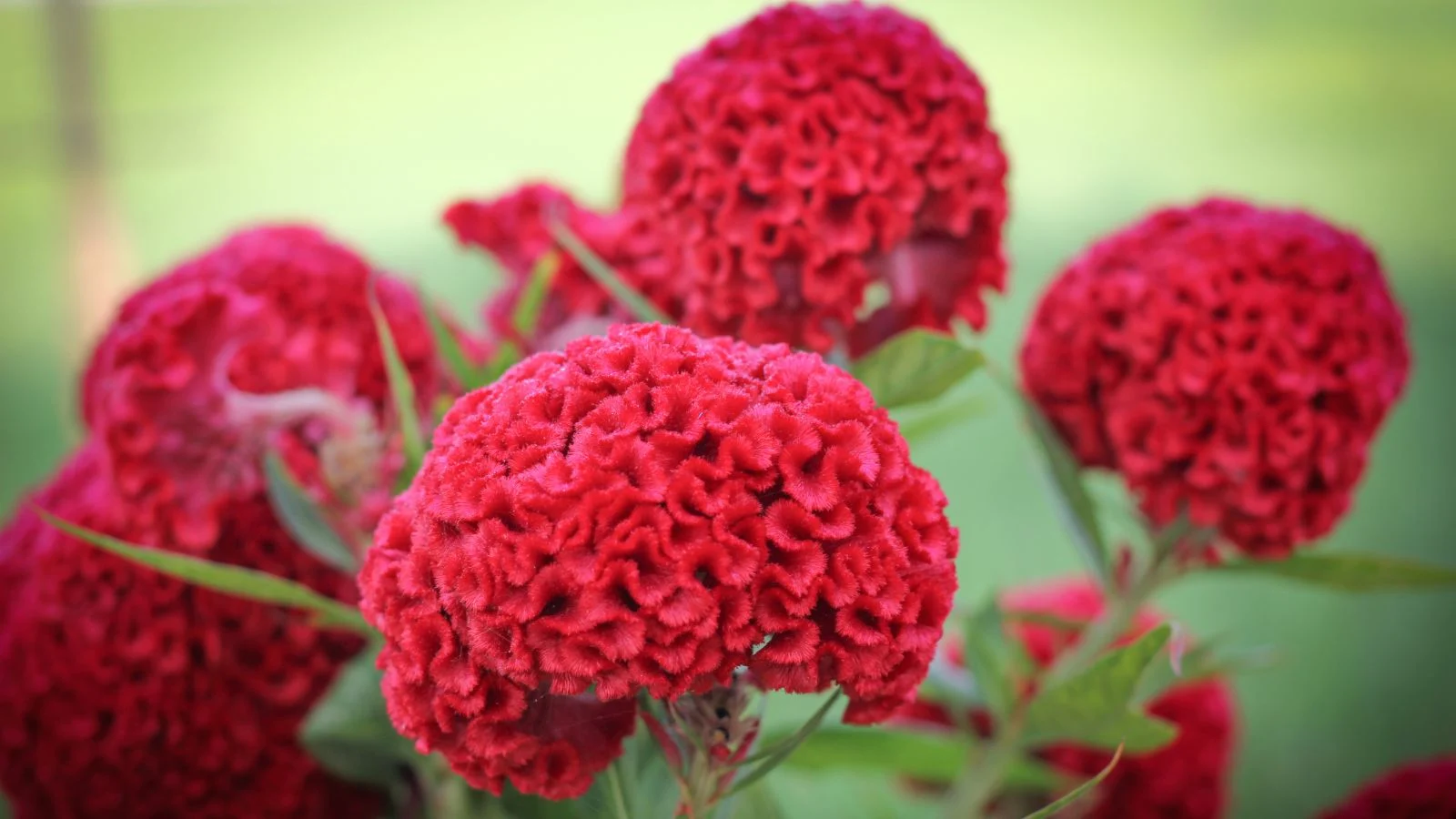
3) Cockscomb
This tropical plant is becoming increasingly more common in flower gardens throughout the state. The large, frilly, red blooms do actually look something like a rooster's comb. Cockscomb seeds are eaten by a number of birds.
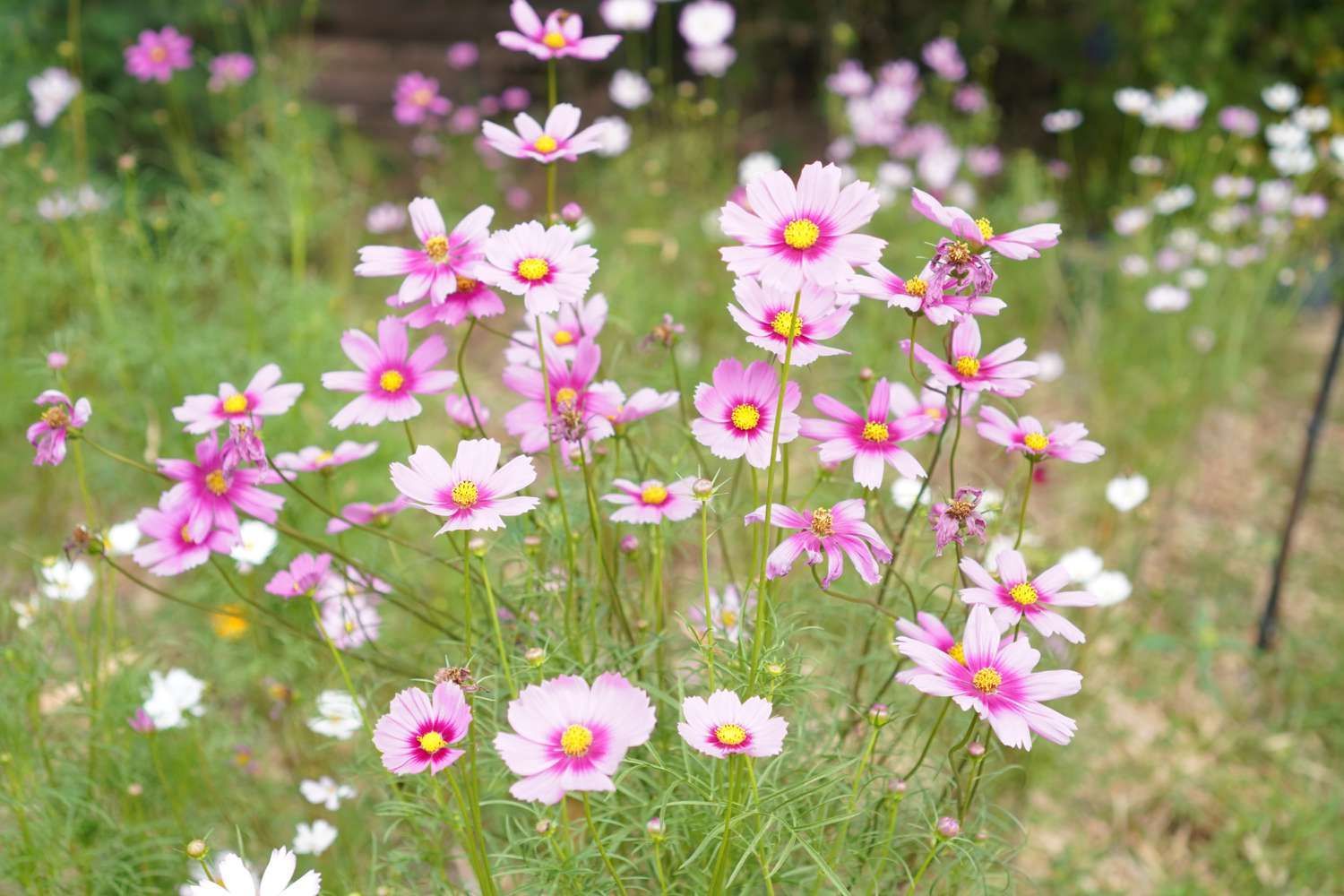
4) Cosmos
These plants are often used as border plants. The seeds formed from the plant's daisy-like blooms are eaten by our resident American goldfinches and winter migrant whitethroated sparrows and dark-eyed juncos.
5) Four-o'clocks
These interesting plants bloom in the afternoon and early morning and close their petals during the heat of the day. Four-o'clocks will bear yellow, white, pink or red blooms. Quail, cardinals and other songbirds consume four-o'clock seeds.
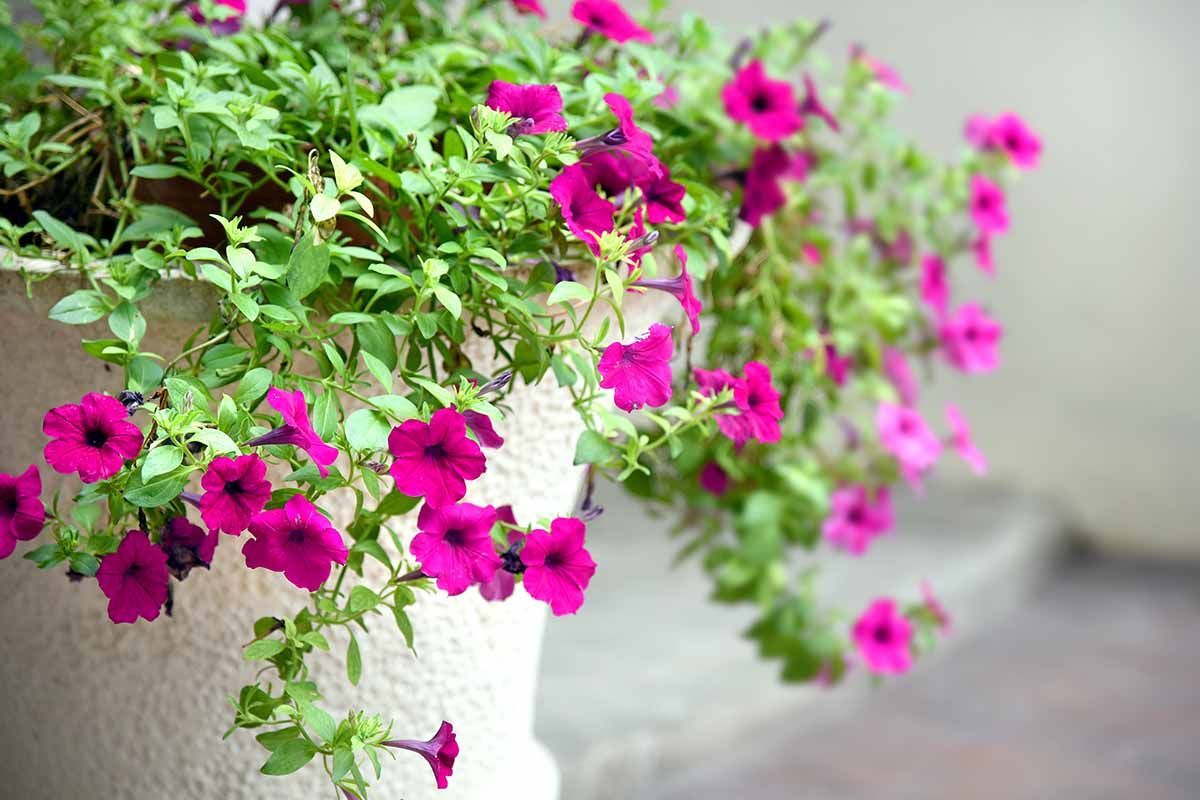
6) Petunia
The petunia is one of the most common flowers grown in Georgia gardens. These colorful fennel-shaped flowers produce seeds that are relished by goldfinches, fox sparrows and dark-eyed juncos.
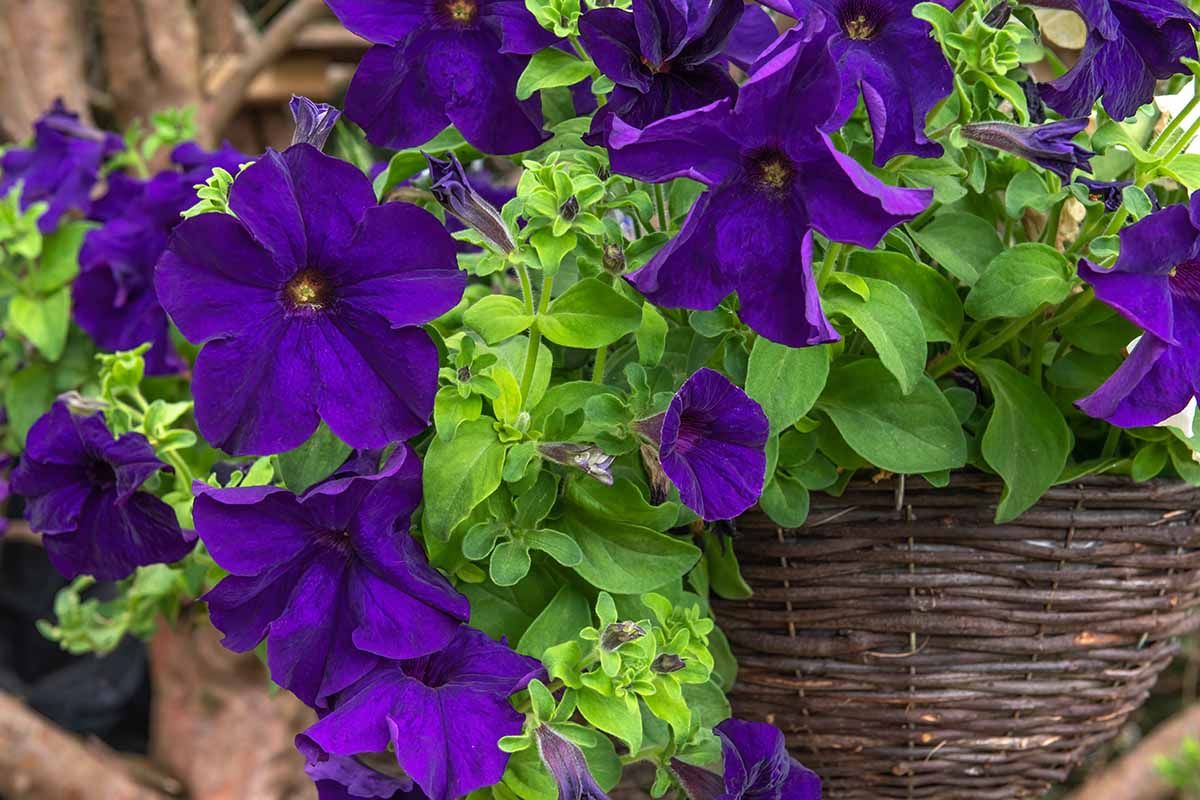
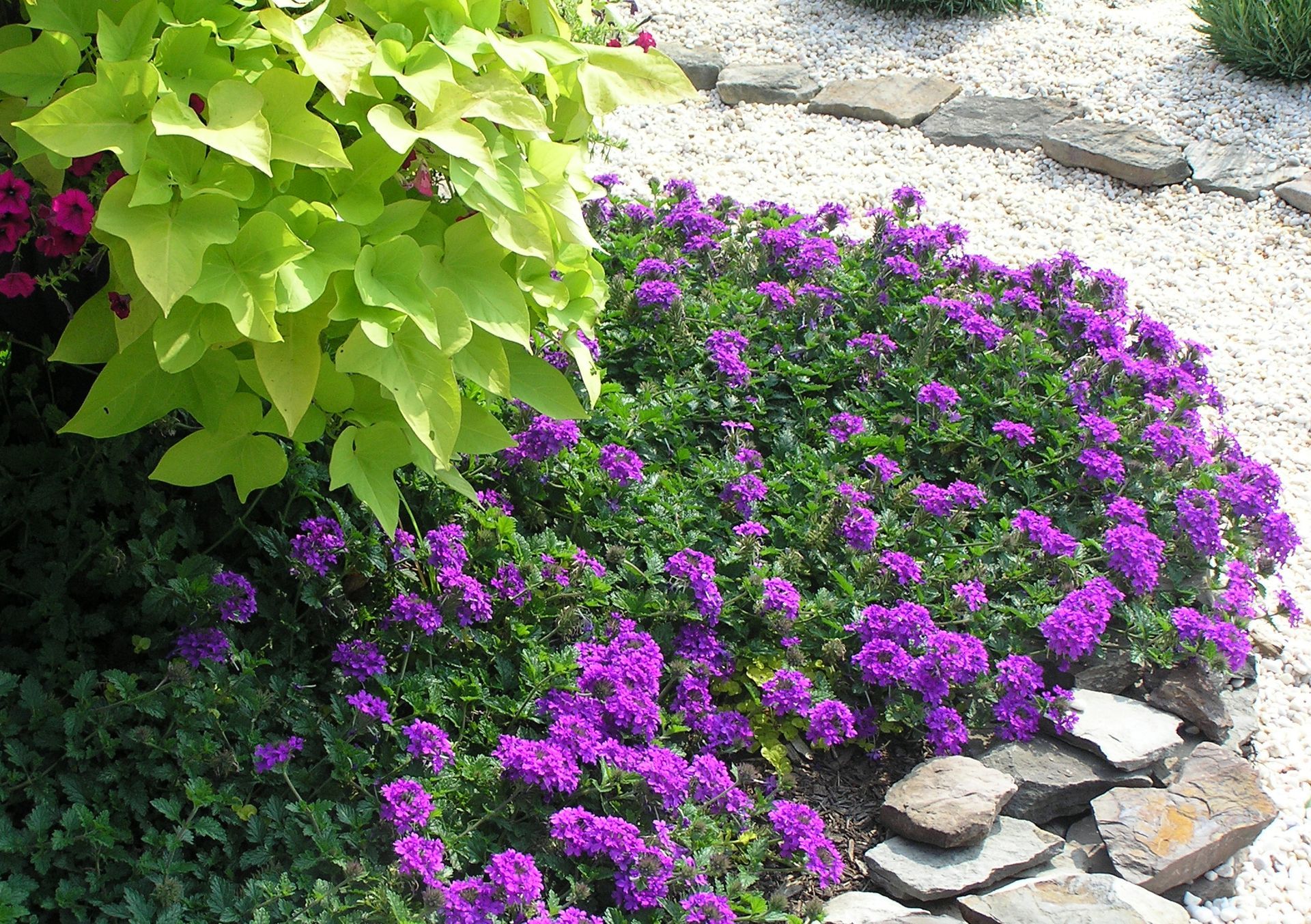
7) Verbena
This plant grows well in small places such as window boxes. Verbena flowers are rose, red, purple, and even deep blue. The seeds are eaten by swamp sparrows, cardinals, and others.
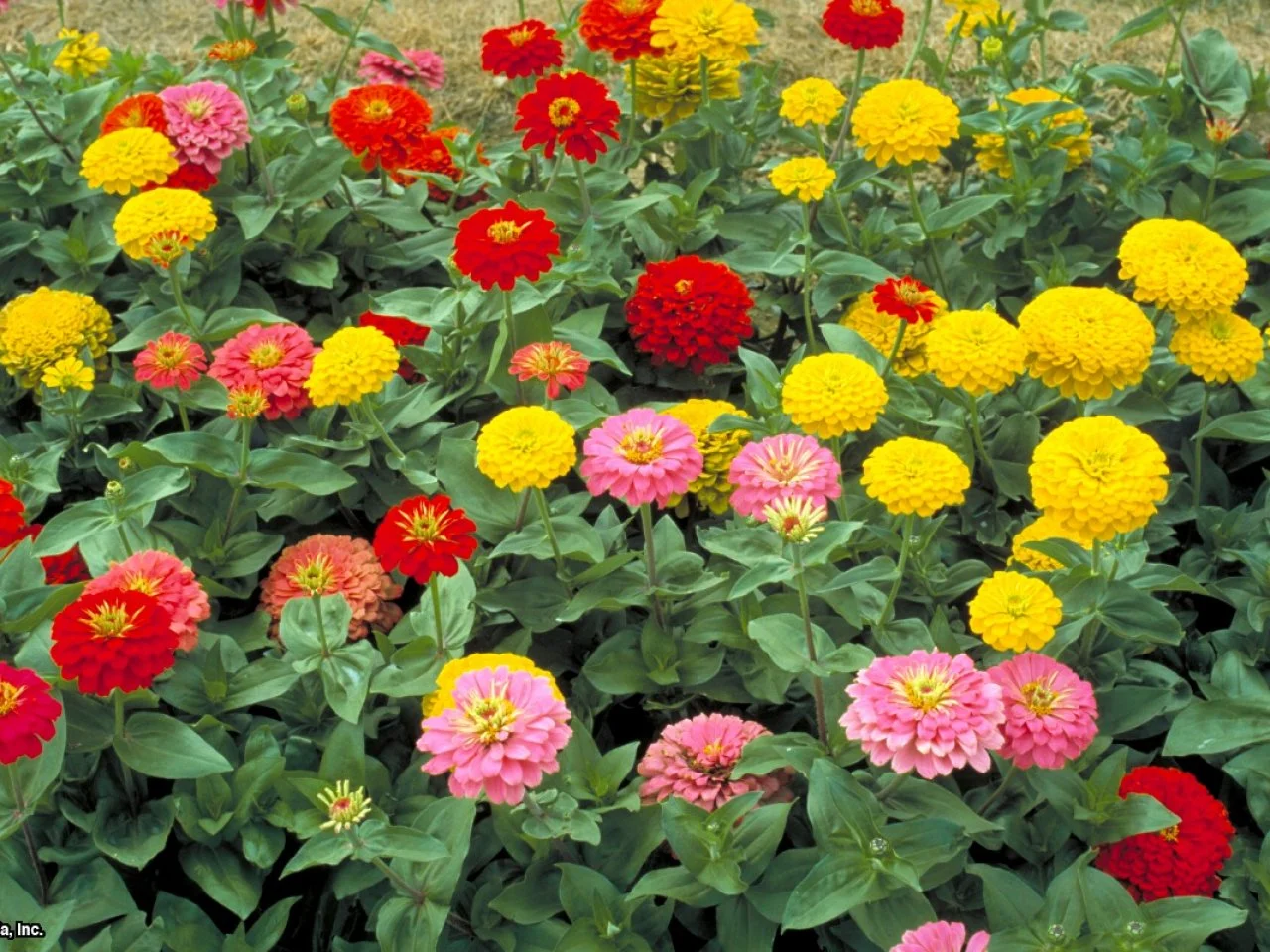
8) Zinnia
One of the favorite flowers of Georgia gardeners are the zinnia. Zinnias are available in a wide array of colors and sizes. While providing a profusion of blooms through the summer, these hardy plants produce seeds that are the preferred food of the American goldfinch. In fact, goldfinches are so fond of zinnia seeds that they often will alight on a zinnia stem and pluck the still-green seeds from the seed head.
Some Ornamentals Frequented by Hummingbirds in Georgia Gardens
These plants have been identified by Hummingbird Helpers, participants in the Wildlife Conservation Section's annual hummingbird survey, as being among those favored by hummingbirds in Georgia gardens.
- Althea
- Azalea
- Bee Balm
- Begonia
- Canna
- Coral Honeysuckle
- Day Lily
- Flowering Tobacco
- Four-O'clock
- Geranium
- Gladiolus
- Hibiscus
- Impatiens
- Lantana
- Mexican Sunflower
- Petunia
- Phlox
- Salvia
- Trumpet Creeper
- Zinnia
Native Trees, Vines and Shrubs of Value as Food Plants for Wildlife
Set the banquet table for wildlife by planting native plants in the backyard. Use this list as a guide in selecting these native plants for fruit, beauty, and attracting wildlife.
- Black Cherry
- Blueberry
- Crossvine
- Deerberry
- Elderberry
- Flowering Dogwood
- Laurel Oak
- Loblolly Pine
- Mayhaw
- Mulberry
- Passionflower
- Pawpaw
- Persimmon
- Possumhaw
- Prickly Pear
- Redbud
- Red Cedar
- Sassafras
- Serviceberry
- Southern Crabapple
- Sparkleberry
- Staghorn Sumac
- Viburnum
- Virginia Creeper
- Wax-myrtle
- Wild Plum
- Willow Oak
- Yaupon