How to Care for Bermudagrass
How to Care for Burmudagrass

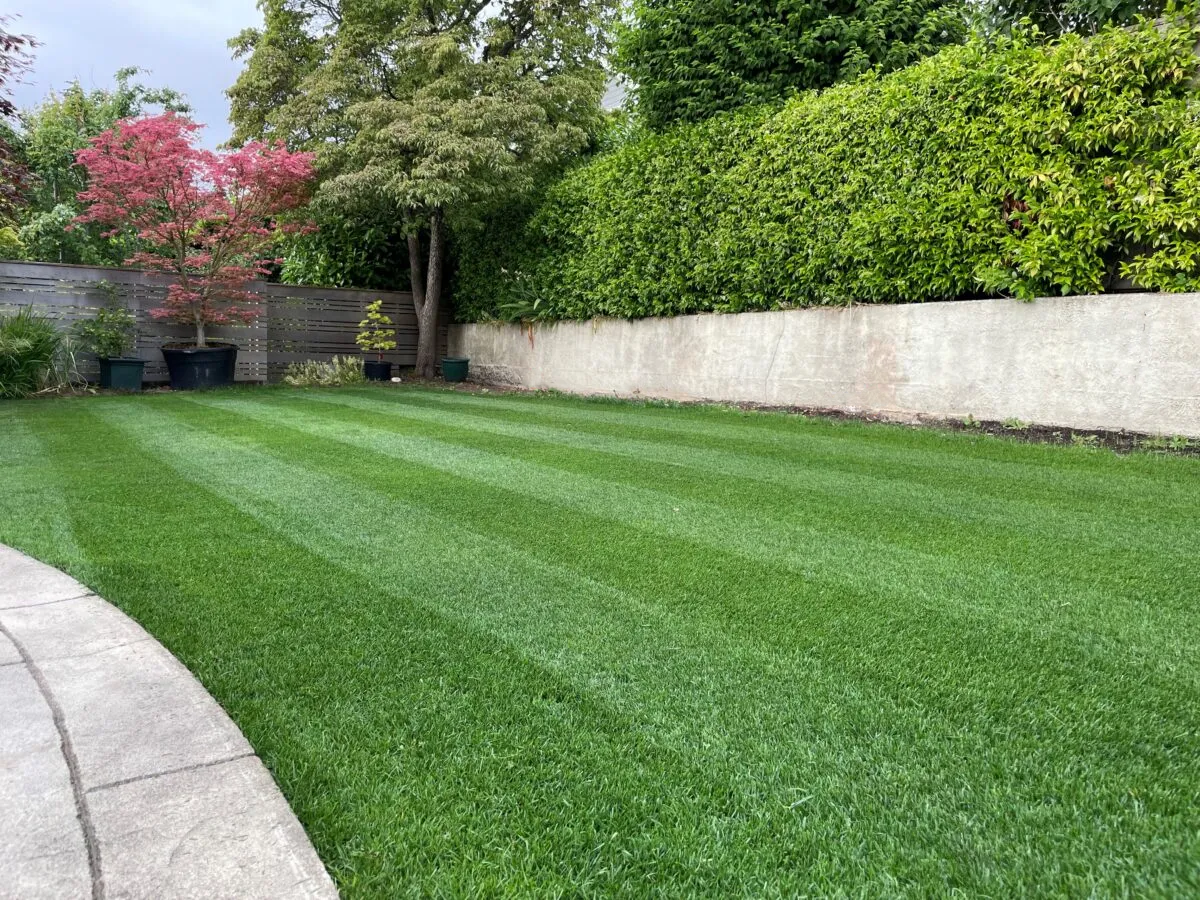
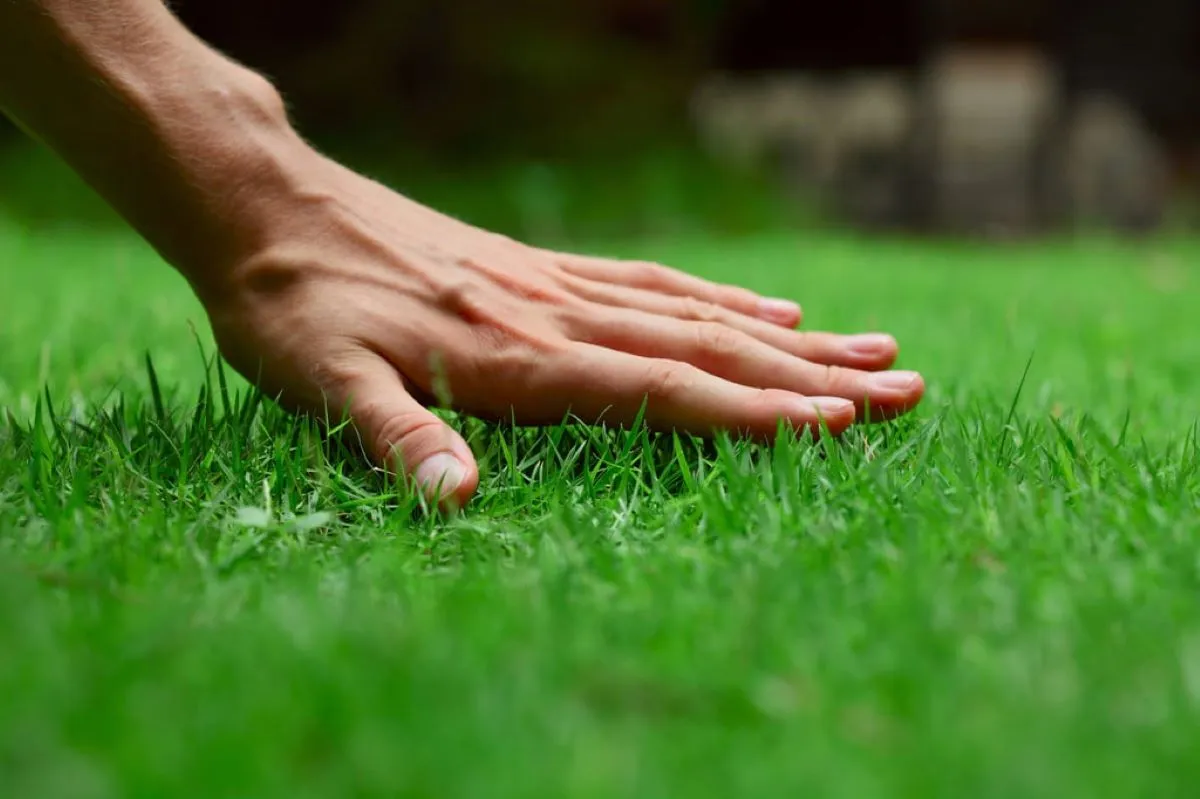
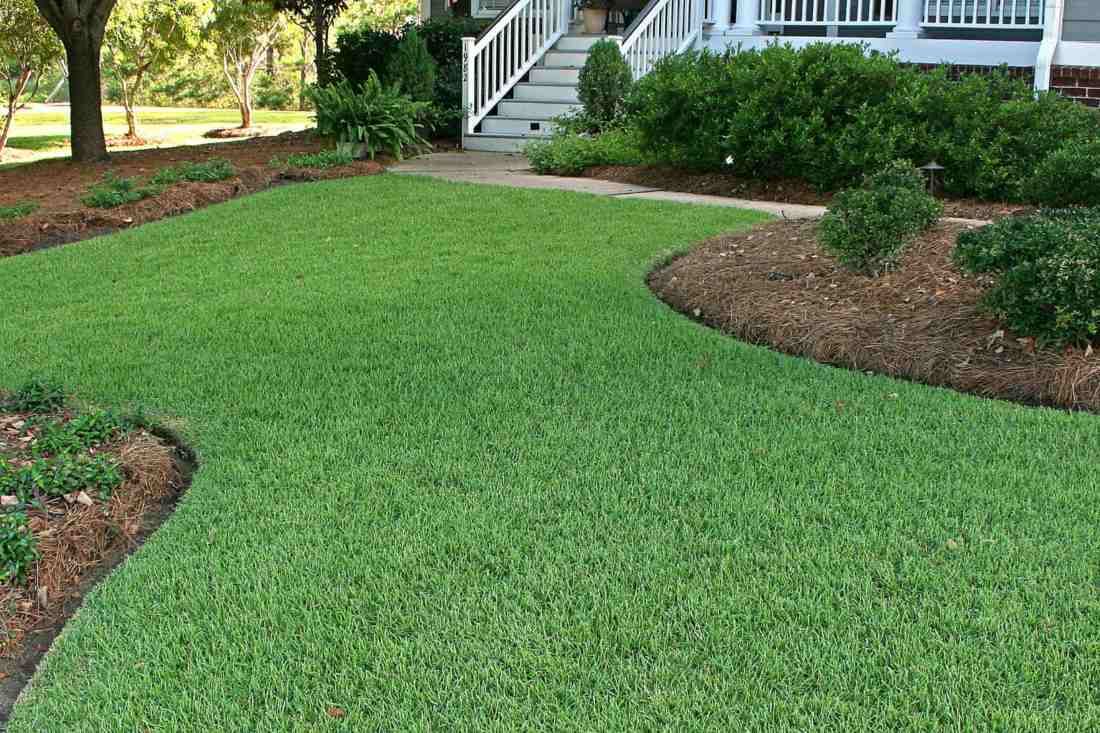
Bermudagrass is valued for its exceptional heat and drought tolerance and its capacity to withstand heavy use and recuperate quickly. This combination of qualities leads many U.S. lawn owners to rely on Bermudagrass for its resilience.
First, Bermudagrass is native to tropical and subtropical countries worldwide. The date of its U.S. arrival is unknown, but historical documents reveal it was already established as one of the primary grasses in southern states in 1807. Bermudagrass is a perennial warm-season grass, meaning it comes back every year in the proper climate and grows most actively from late spring through hot summer months. Bermudagrass is more sensitive to cold temperatures than warm-season Zoysia grass or cool-season grasses such as turf-type tall fescue. This lack of cold tolerance limits its use north of the grass-growing region lawn pros call the "transition zone." South of that region, from the Atlantic across southern states into California, Bermudagrass is a leading lawn choice.
Bermuda grass flourishes in sites with full, direct sun and good drainage. It has superior heat, salt and humidity tolerance. Unlike Centipede grass, Bermuda is very drought-tolerant, too. Though most of Bermuda's roots stay within 6 inches of the surface, they can reach 6 feet or more in depth. This extensive root system provides more resilience against environmental stresses than other warm-season lawn grasses.
Burmudagrass Basics
MOWING
Don’t let the grass blades get taller than 1 to 2 inches tall during the summer and only take off 1/3 of the grass blade at one time.
FERTILIZING
Fertilize Bermudagrass with 1 pound of Nitrogen per 1000 sq. ft. every 4 weeks during the summer. This can be done by applying 6 pounds of 16-4-8 or 8 pounds of 12-4-8. Also, a soil test might be necessary to determine if your soil requires more than fertilizer to grow a lush carpet of grass. Contact your local Extension office for details.
WATERING
Watering is best done from 9pm until 10 am to reduce water loss and fungus problems. Water a total of 1 inch per week, in no more than three waterings. The time it takes to do this depends on your watering system. Put a tuna or cat food can out in the grass and turn on your sprinkler to see how long it takes to get a 1/2 inch of water in the can (measure with a ruler).
DE-THATCHING
De-thatch your lawn in Spring and Fall to prevent fungus and pest problems.
AERATING
Bermudsgrass is a warm-season grass, so it's best to aerate yearly or every other year in the early spring. Make sure to choose double-pass, core aeration (not spike aeration), and aerate when the lawn is moist for best results.
COMMON PROBLEMS AND BASIC PREVENTION
- Fungus: (such as Brown Patch, Dollar Spot): Water correctly—not in the afternoons! Don’t fertilize after September and mow grass at the recommended height and de-thatch in Spring.
- Mole Crickets: Call your local Extension Agent for current recommendations on how to eradicate an infestation.
- Improper Fertilizer: Bermuda does great with lots of Nitrogen, but looks terrible without it.