Fescue FAQs
IF YOUR FESCUE LAWN ISN'T A BEAUTIFUL, THICK, LUSH,
GREEN CARPET, THEN IT NEEDS TO BE RESCUED!
One of the most beneficial things you can do to bring fescue grass back to life is to aerate and interseed just before the grass begins to grow rapidly. In Georgia, fescue grass makes the most of its productive growth in the Fall, so September and October are prime months to aerate and interseed fescue lawns. (Bermuda, zoysia grass and centipede grass lawns should be aerated in April, just as they have completed green-up and are ready for vigorous growth.) For more information on aeration and interseeding for fescue grass and how to care for newly interseeded lawn use the links below to read our FAQs.
WHAT YOU NEED TO KNOW ABOUT AERATION
This section provides more about aeration, including a deep dive into the process of aeration and how it benefits your Fescue grass, an explanation of thatch and seed germination, information on the clay in Georgia's soil, and the differences between aerators and which type works best.
WHAT IS AERATION AND HOW DOES IT BENEFIT MY FESCUE GRASS?
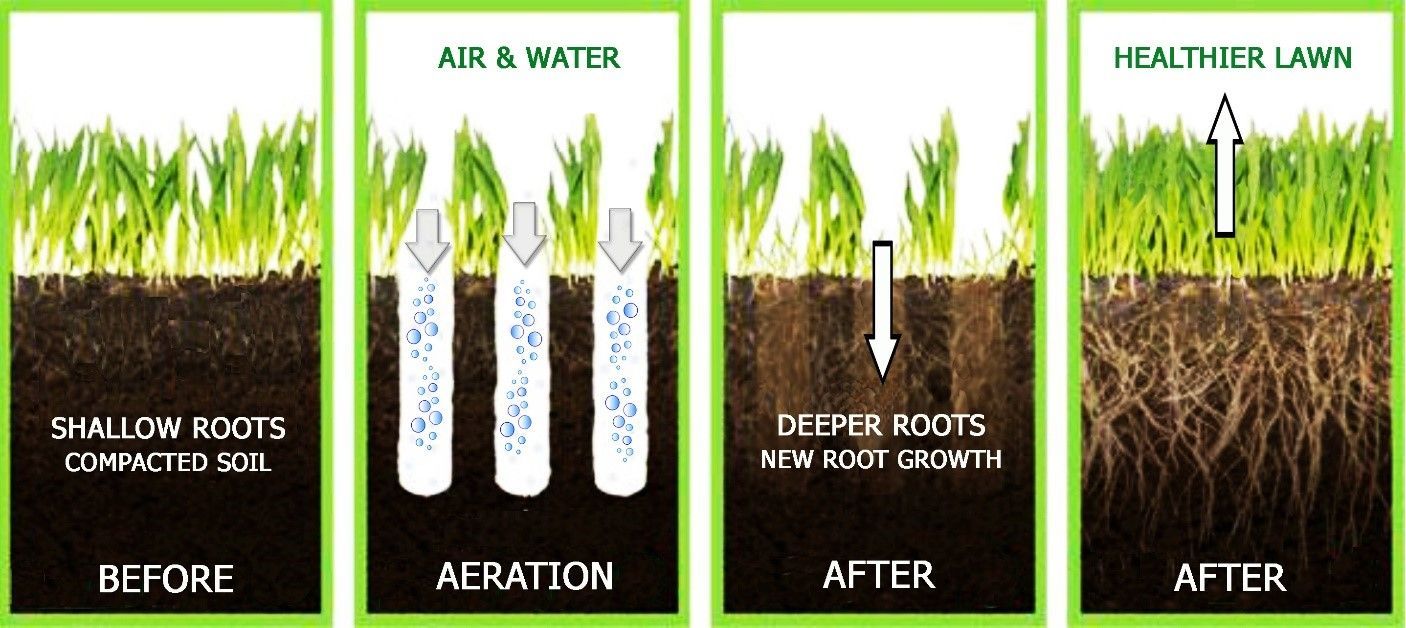
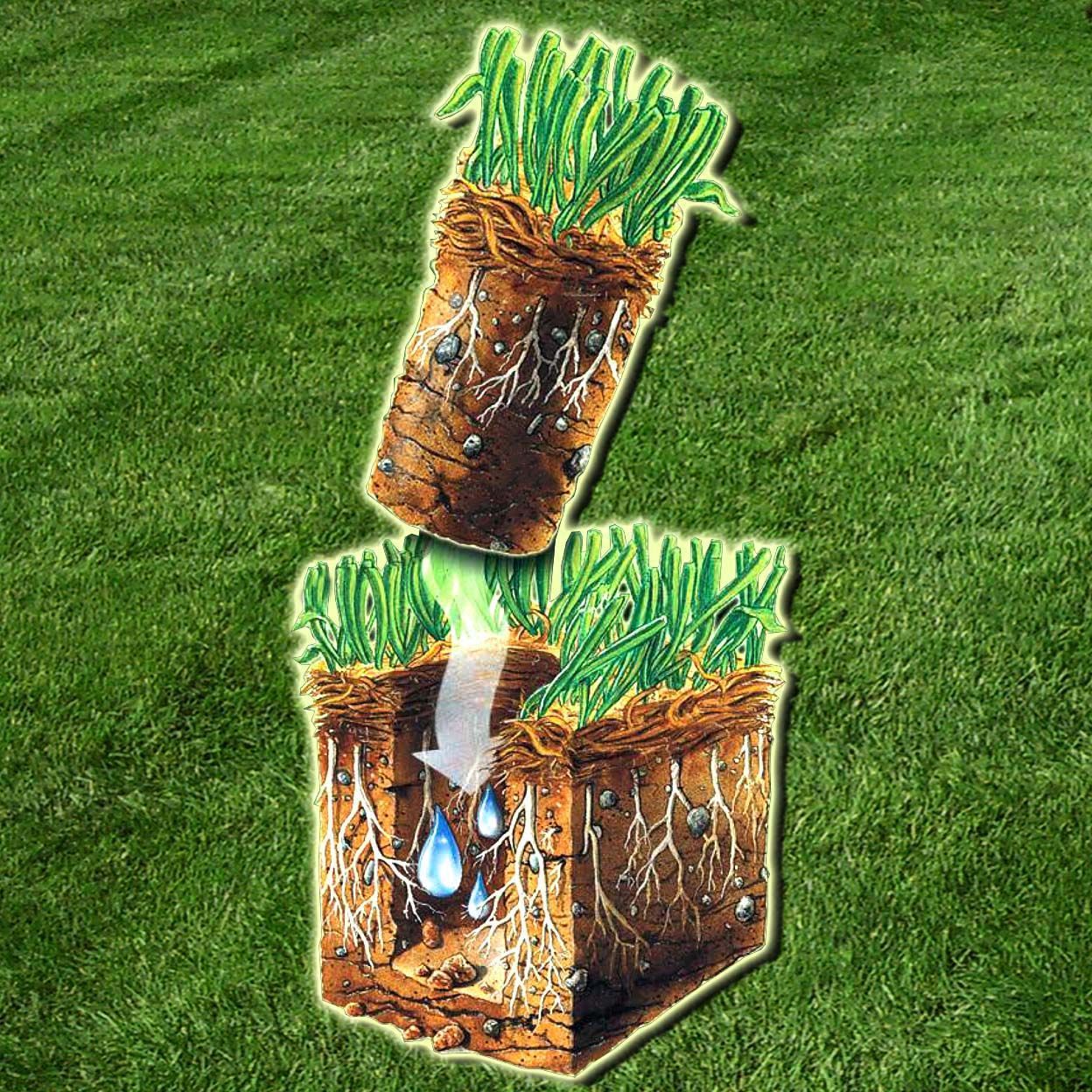
Aeration is the process of mechanically poking thousands of small holes into every square inch of the soil in your lawn, which will allow water, oxygen and nutrients to better penetrate to the roots of your grass. Yearly aeration will give you healthier grass growth, more productive roots, and a fescue lawn that feels like a soft green rug when you walk on it. Better yet, the holes in your lawn created by aeration causes roots to go deeper, making the lawn more resistant to drought and disease.
THATCH AND SEED GERMINATION
Thatch is a loose, intermingled organic layer of dead and living shoots, stems, and roots that develops between the zone of green vegetation and the soil surface. Thatch build-up begins when turf produces organic debris faster than it can be broken down. The parts of the turf that are most resistant to decay (stems, crowns, and roots) make up the bulk of thatch. Having some thatch in your turf is good and helps with the resiliency and health of your lawn, because thatch is a good protector. It provides insulation against temperature extremes and variations in soil moisture, and a good thatch layer is a half-inch thick or less.
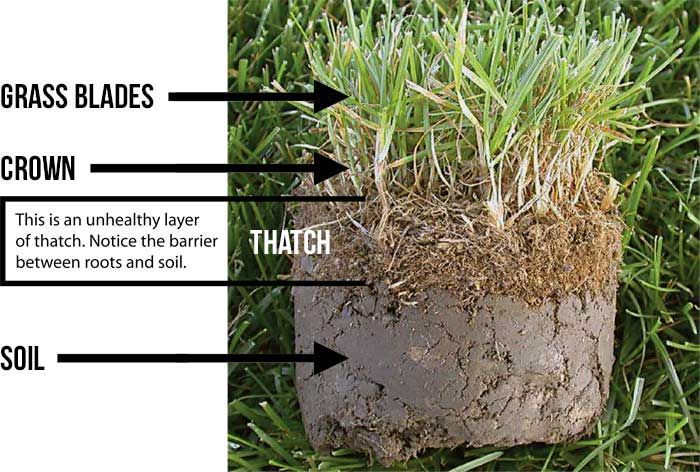
Thatch is a good protector, and a good thatch layer is a half-inch thick or less. This thickness will provide insulation against temperature extremes and variations in soil moisture.
While some thatch is desirable in your lawn, too much can result in some serious problems. Thick thatch layers can cause extensive root damage and wet thatch holds too much water during rainy periods, which results in root rot. Also, another concern of thatch build-up is that it could potentially harbor large populations of disease-causing organisms and insects. Core aeration is very beneficial to the overall heath of your lawn, because the plugs of soil deposited on your lawn's surface help decompose thatch.
Further, if you are doing a light fall interseeding on a fescue lawn, the holes left by the aerator make a perfect place for the seeds to fall into and germinate and fertilizer also penetrates more deeply and helps a lawn recover and look its best after core aeration.
THE CLAY IN GEORGIA'S SOIL AND THE BENEFITS OF SEASONAL AERATION
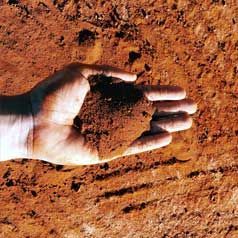
Anyone in Georgia who has tried to dig a hole can tell you about Georgia clay. The soil in Georgia is naturally mixed with tiny particles of clay that are easily packed together, so when it rains, when you walk or play on it, or even when mow it, the soil becomes more compacted. After a hot summer in Georgia, the clay in your lawn can bake and even feel as hard as a brick! Seasonal aeration is the answer, because it loosens the compacted soil without damaging your fescue grass.
DIFFERENT TYPES OF AERATORS - WHICH IS BEST?
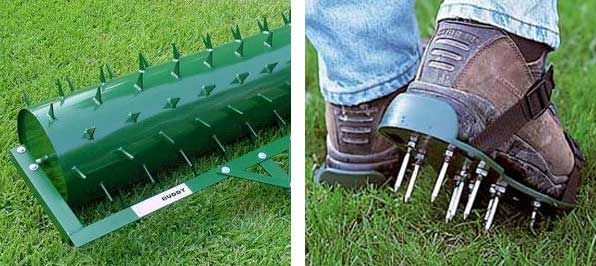
There are two types of aerators: core and spike. Core aerators have hollow tines called “spoons” that plunge into the ground and pull up large plugs of earth as the machine travels across your lawn. Spike aerators insert narrow, solid rods into the earth. University of Georgia turf expert, Dr. Robert Carrow, compared the effects of aerating with a core aerator versus a spike aerator and concluded that core aerators increased deep rooting and water extraction by 25 percent, whereas spike aerators showed no effects on grass health. Further, walking around on a lawn with spike aerator "shoes" may be great exercise, but this type of aeration adds very little benefit to your lawn.
We recommend using only core aerators and covering your lawn in a criss-cross pattern (double-pass aeration), directing the aerator over the entire lawn, going back and forth in one direction, then directing the second pass back and forth at right angles to the first pass. This ensures that water, oxygen, and nutrients will penetrate to the roots of your grass.
EXAMPLES OF CORE AERATION:
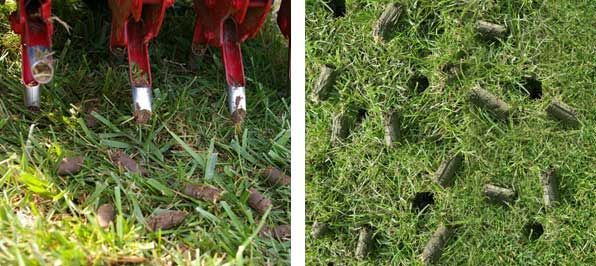
EXAMPLES OF SPIKE AERATION:
INFO ON INTERSEEDING AND OVERSEEDING
- THE TWO ARE NOT THE SAME -
INTERSEEDING VERSUS OVERSEEDING - WHAT'S THE DIFFERENCE?
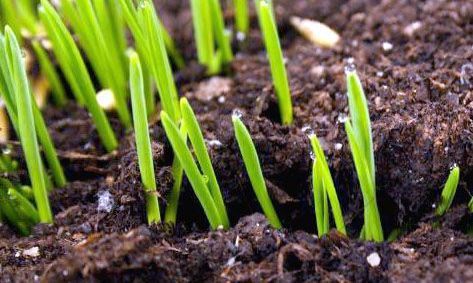
Interseeding is the practice of seeding the same species into itself to increase lawn thickness and recover lost grass. For example, tall fescue is interseeded into tall fescue in the fall to improve the overall quality of the lawn, which may have declined through the summer stress period. Different cultivars may be used, but the turfgrass species should be the same.
Overseeding is the practice of temporarily introducing a second turfgrass species – typically a cool-season grass – into a permanent species – typically a warm-season species. This is done to add winter color or traffic tolerance. An example would be overseeding a bermudagrass baseball field in the fall with perennial ryegrass, for a green field in the early spring.
The second species can compete with the permanent species for light, water, space or nutrients, so overseeding can become an additional stress during green-up in the spring. Of the warm-season turfgrasses, bermudagrass is best adapted to and most tolerant of overseeding. Grasses that only have stolons and no rhizomes, like centipedegrass and St. Augustinegrass, should not be overseeded.
SUCCESSFUL INTERSEEDING
Core aeration is a common practice prior to interseeding, particularly in tall fescue. The benefits include exchanging soil and air, relieving compaction, increasing water filtration and improving planting or seedbed conditions.
SUCCESSFUL OVERSEEDING
Successful overseeding involves growing healthy grass before overseeding, proper seed and seeding rate selection, overseeding timing and preparation, post-planting maintenance, and effective spring transition. It is particularly important to maintain proper soil fertility, relieve soil compaction, and prevent excessive thatch development.
AFTERCARE INFORMATION
- AERATION/INTERSEEDING/OVERSEEDING -
September and October are the ideal months to plant tall fescue. Grass seeded earlier is subject to heat stress and diseases, while planting later leaves the plant vulnerable to cold weather. Seeding in December and early spring is generally not recommended because the plant does not have adequate time to develop the deep root system that's needed to survive Georgia’s hot summers. Scroll down for the 1-2-3's on how to care for your newly aerated and interseeded or overseeded fescue lawn.
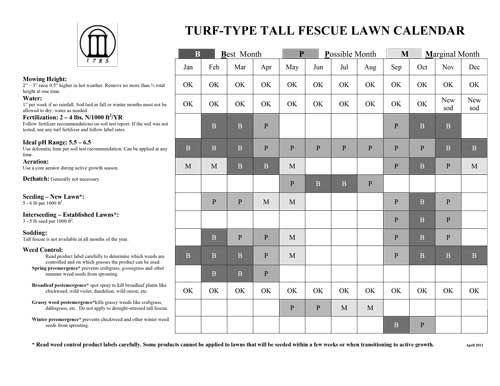
FESCUE LAWN CARE CALENDAR
CLICK HERE TO DOWNLOAD THE GEORGIA EXTENSION'S FESCUE LAWN CALENDAR FOR SPECIFICS ON HOW TO CARE FOR YOUR FESCUE GRASS YEAR ROUND.
THE 1-2-3's ON CARING FOR YOUR NEWLY-SEEDED FESCUE LAWN

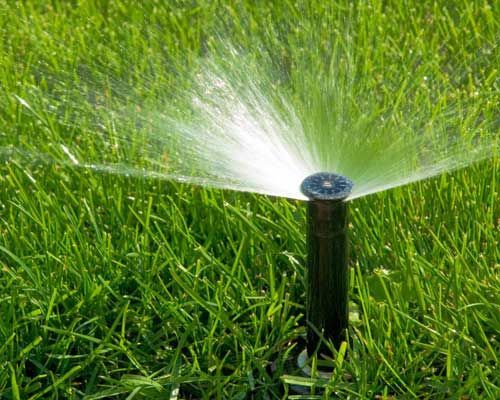
IRRIGATION RULES: Irrigate three to five times per day until the seedlings are well established. The total amount of water applied during a day should seldom exceed half an inch. Irrigate without causing puddling on the soil surface, as extra water encourages disease. After germination, gradually reduce the frequency and increase the time of irrigation until a normal irrigation program can be established.
FIRST: WATER, WATER, WATER!
The most important thing to remember after your fescue lawn has been aerated and interseeded is to keep the upper 1 to 2 inches of soil moist and not wet. We can't stress this enough: Proper irrigation is absolutely crucial if you want uniform seed germination!
Keeping the soil moist usually means daily watering of about 1/8 to 1/4 inch for the first three weeks. As the seedlings develop, irrigate less frequently, but wet the soil more deeply.
If you have an irrigation system, keeping your soil moist be will be easy! All you have to do is set the timer on your system and keep an eye on it to make sure the cycles begin and continue until the soil is properly watered. If you don't have an irrigation system, there are still some things you can do to make watering your lawn much easier. First, make sure you have a dependable garden hose and then attach a sprinkler that will evenly distribute the water over sections of your lawn. Second, you can automate watering using a hose faucet timer that attaches to your spigot and will automatically turn the water on and off.
SECOND: FERTILIZATION
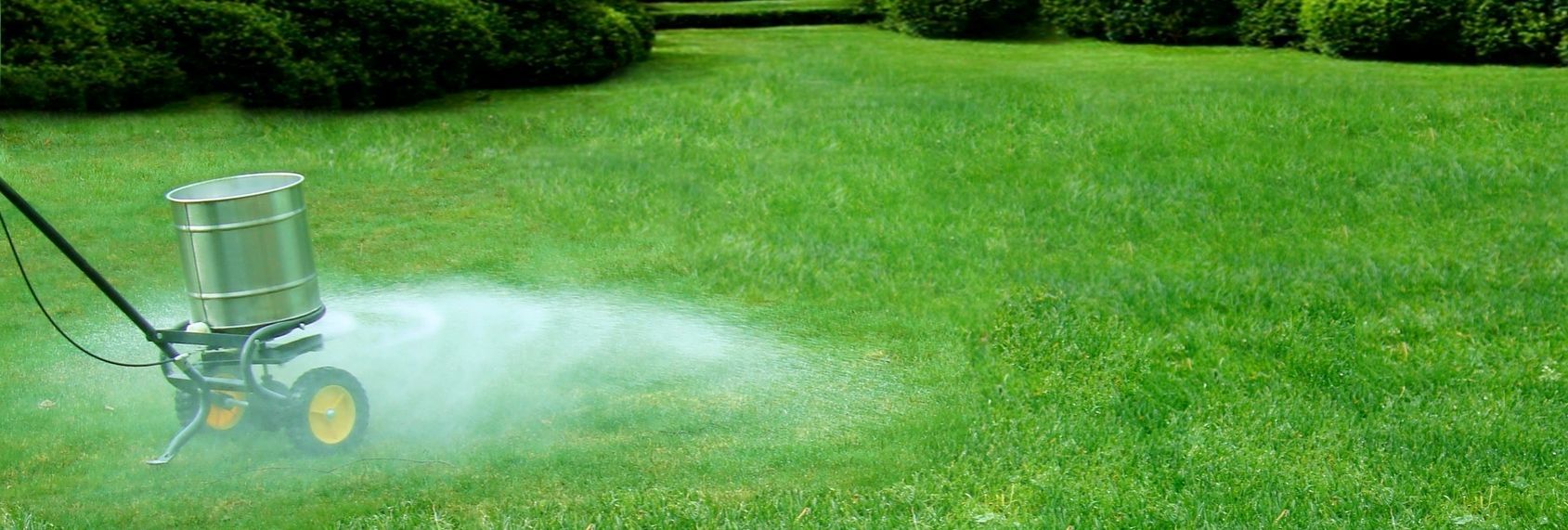
Your newly-aerated and interseeded fescue lawn needs to be fertilized and the best time is after the seedlings have emerged, generally three weeks after seeding. Earlier fertilizing may encourage warm-season turf competition. AVOID USING ANY HERBICIDES UNTIL SPRING.
After your lawn has been aerated and interseeded, wait for the seedlings to emerge and then fertilize. Apply one pound of nitrogen per 1,000 square feet of top-quality fertilizer, then repeat fertilization monthly, which is recommended, but not required.
THIRD: MOWING
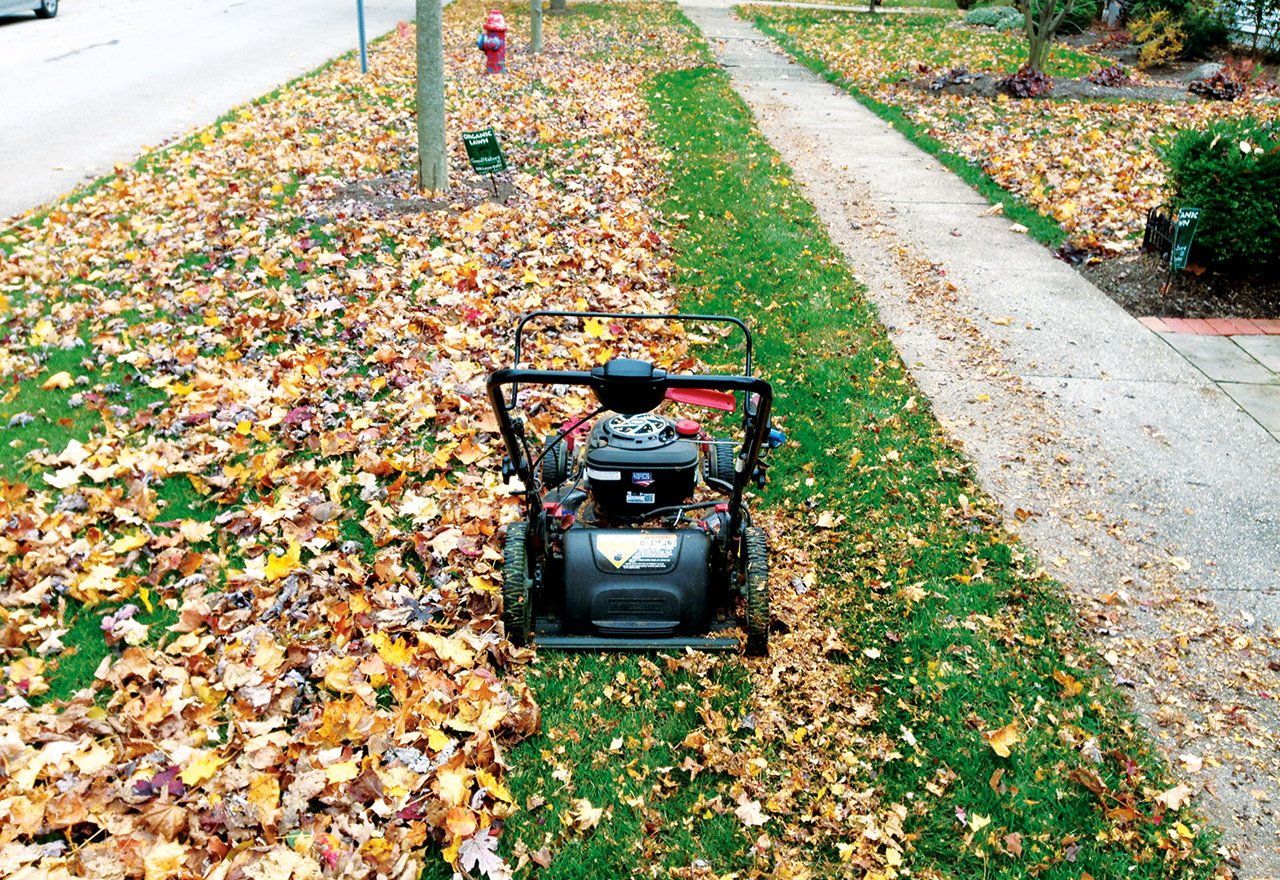
Under good conditions, tall fescue seed will germinate in 5 to 10 days and will be ready for its first mowing between 2 and 3 weeks when the height of the new fescue grass reaches 2 inches. After the seedlings mature, the second cutting height should be between 2 ½ to 3 inches. Once mature, the lawn can be maintained between 2 to 2 ½ inches, but a height of 3 inches is suggested during the summer months.
After your fescue lawn has been aerated, interseeded, and fertilized, wait until the new fescue grass has reached 2 inches to mow. Ensure your mower's blades are sharp to insure seedlings are cut and not ripped, and always mow when the grass is dry to reduce seedling injury.